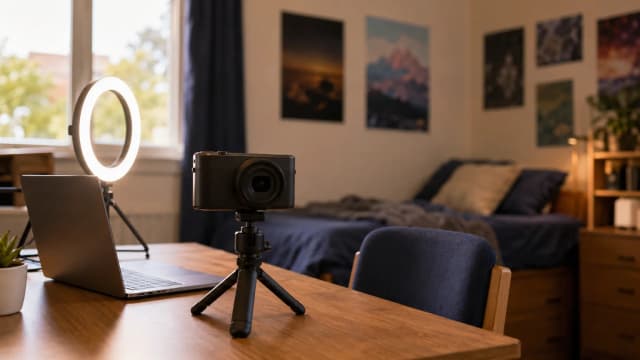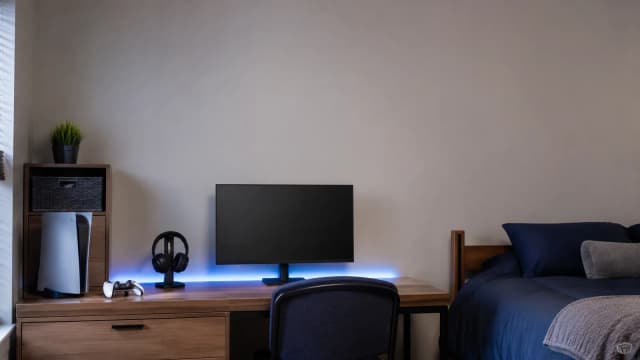

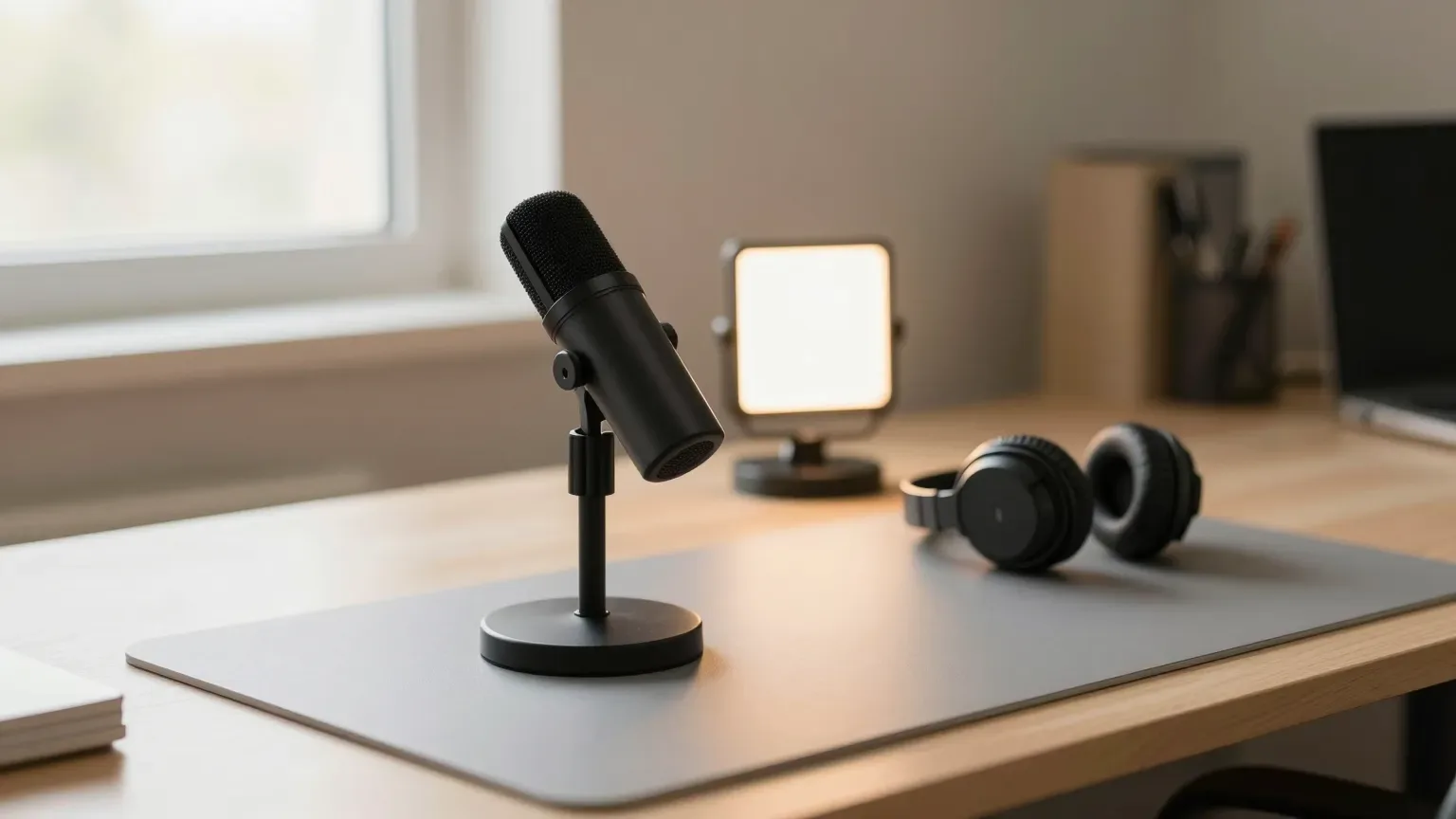
Dorm Content-Creator Streaming Setup 2026
In an untreated dorm, audio beats video: the dynamic Shure MV7+ ($299) rejects the room echo a condenser captures, making the mic the highest-leverage buy. The Elgato Key Light Neo ($89.99) is the value standout; the Blue Yeti ($109.99) is the budget entry.
This article contains affiliate links. We may earn a commission at no extra cost to you. Learn more
Featured in this Guide

Shure
MV7+ Dynamic Microphone
- •A dynamic cardioid that keeps roommate, keyboard and HVAC noise out of an untreated-dorm feed, with USB-C plus XLR at $299, ,
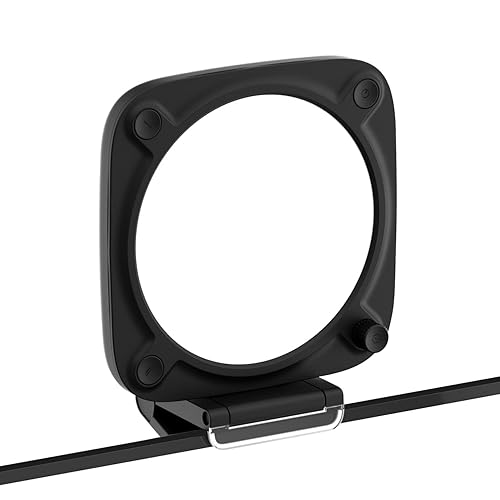
Elgato
Key Light Neo
- •The top DGH score here — a no-floor-footprint monitor key light with 2900 to 7000K color at about $89.99, ,

Logitech
Brio 4K Webcam
- •4K at 30fps and a 65-degree crop that hides your background, best added after the mic and light, at $167.50, ,
The Short Answer
In an untreated dorm, good audio matters more than good video. The dynamic Shure MV7+ rejects the roommate and HVAC noise a condenser picks up, which makes it the highest-leverage purchase. The Elgato Key Light Neo is the best value, and the Logitech Brio 4K is the camera worth adding afterward.
You're setting up to stream from a 12 ft by 14 ft dorm room with cinderblock walls, a roommate 3 ft away, and HVAC hum that never quits. Here's the counter-intuitive part: in a room like that, your microphone matters more than your camera or your light. Viewers forgive rough video far faster than bad audio, and hard walls bounce sound into echo no webcam can fix. That makes the mic type — dynamic versus condenser — the single highest-leverage decision in this stack. A dynamic capsule ignores the noise a condenser captures.
That trade is what our DGH Dorm Creator-Setup Score measures — a weighted composite that ranks each piece on capture quality, desk footprint, setup simplicity, and value, so you spend where it counts over a 4-year dorm run instead of on spec-sheet bragging rights. We aggregated SoundGuys, PopSci, PodcastInsights, LaptopMag, and StreamTechReviews to score the four.
Head-to-Head: Capture, Footprint, and Value
Tech Charging
Chart
 DormGearHQ.com

ASUS ZenScreen MB16NCG
$266.99Must BuyCheck price
Canon MegaTank G3270 All-in-One Wireless Inkjet Printer, Home Use, Print, Scan and Copy
$159.99Must BuyCheck price
iPad Air 11-inch (M4)
$749.00Must BuyCheck price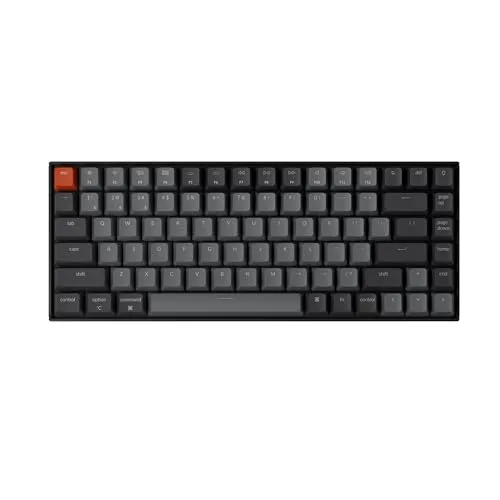
Keychron K2 Pro
$119.00Must BuyCheck price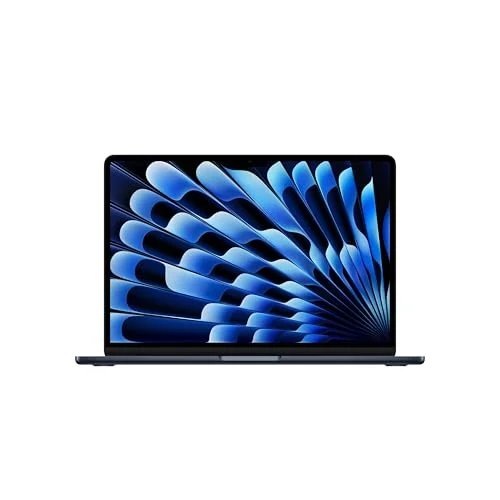
MacBook Air M5 13-inch
$1259.99Must BuyCheck price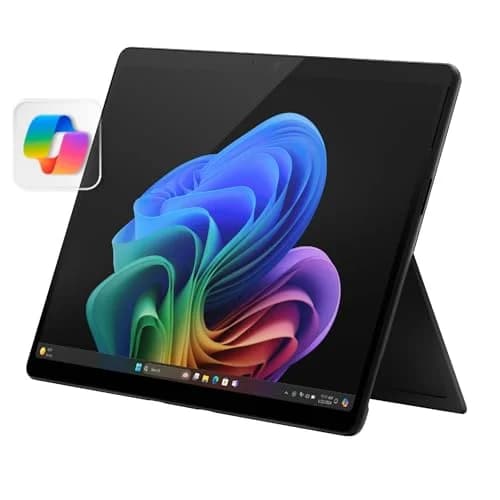
Microsoft Surface Pro 11
$1249.99Must BuyCheck price
The Highest-Leverage Buy: Shure MV7+ Dynamic Microphone
Shure MV7+ Dynamic Microphone
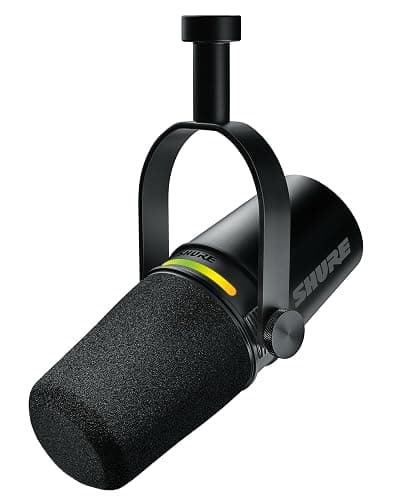
(Current price, subject to change)
- Shure MV7+ dynamic microphone (USB-C and XLR)
- Dynamic cardioid capsule
- Onboard DSP: Auto Level, Voice Isolation, Denoiser, Digital Popper Stopper
- LED touch panel control
- USB-C cable; OBS Certified
SoundGuys scores the Shure MV7+ at 8.2/10 editorial and 9.3/10 from users, and the reason is the capsule: a dynamic cardioid rejects sound 180 degrees behind the mic, so your roommate's keyboard and the HVAC hum stay out of the feed. That is the dorm-correct trait a condenser like the Blue Yeti cannot match in an untreated room. The onboard DSP does the rest — Auto Level tracks your distance so levels hold steady across a 4-year dorm run, and SoundGuys calls that feature a breeze to operate. Its DGH Dorm Creator-Setup Score of 8.4 leads the mics because our formula weights core capture quality at 35%, and dynamic noise rejection is exactly what that factor rewards compared to a condenser in a shared room. The one honest knock is price: at $299 it costs about 3x the Yeti, so it delivers less capability per dollar and trims its value factor. Availability is fine — it sells at Best Buy, Gear4music, and Amazon, though the Amazon buy-box may show a short restock delay, so re-check the day you order.
What We Love
- A dynamic cardioid capsule rejects sound 180 degrees behind the mic, so keyboard clatter and HVAC hum stay out of an untreated-dorm feed
- USB-C and XLR outputs run at the same time — plug into a laptop now, add an interface later without rebuying the mic
- Auto Level tracks your distance and volume so your levels stay consistent as you lean in and out
- SoundGuys scores it 8.2/10 editorial and 9.3/10 from users, calling the tone warm yet detailed
What Could Be Better
- At $299 it is the priciest single item in the stack
- The Amazon buy-box may show a short restock delay — it sells at Best Buy and Gear4music too
- Full DSP control means learning the LED touch panel and app
The Verdict
If you're streaming from an untreated room with a roommate, the Shure MV7+ Dynamic Microphone fits the brief without compromise. Its 8.4 DGH Dorm Creator-Setup Score means the dynamic capsule keeps keyboard clatter and HVAC hum out of your feed, so your voice lands clean. You pay $299, but the mic is the one place that spend pays back.
Best Value in the Stack: Elgato Key Light Neo
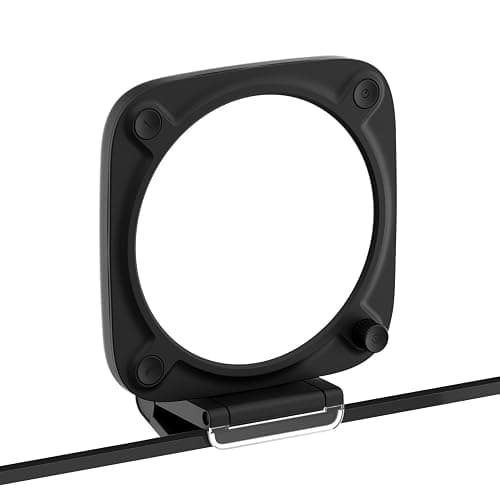
Elgato Key Light Neo
(Current price, subject to change)
- Elgato Key Light Neo LED panel
- Monitor-edge mount plus a standard 1/4-inch-20 thread
- USB-C power cable
- Edge-lit opal-glass diffusion
- Elgato Control Center app support; Stream Deck compatible
StreamTechReviews calls the Elgato Key Light Neo excellent and the one to get, and it tops our roster on value and desk fit. The catch worth stating first: brightness is power-source dependent — 400 lumens on laptop USB-A, 700 on USB-C, and the full 1000 lumens only on a dedicated wall adapter, so USB-A drives it to just 40% of its rated output. Power it from the wall, not a laptop port, and you get roughly 2x the brighter output, which produces soft, even light on your face. The included monitor-edge mount plus a standard 1/4-inch thread reclaim a shallow desk with no floor footprint, which is why StreamTechReviews praises the mount. Adjustable 2900 to 7000K color temperature fixes the flat overhead fluorescents most dorms run. Its DGH Dorm Creator-Setup Score of 8.5 is the highest here because our value factor carries 25% and its footprint factor rewards the no-stand mount — at about $89.99 it earns both. For the front key light that keeps your webcam from cranking gain and adding noise across a 4-year dorm run, this is the piece in the stack with the least downside.
What We Love
- The included monitor-edge mount plus a 1/4-inch thread reclaim a shallow desk with no floor footprint
- Adjustable 2900 to 7000K color temperature fixes the flat overhead fluorescents most dorms run
- Onboard buttons plus Wi-Fi app control let you set brightness without leaving your chair
- StreamTechReviews calls the light excellent and the one to get, at about $89.99
What Could Be Better
- Full 1000 lumens only on a dedicated wall adapter — 400 on laptop USB-A, 700 on USB-C
- A compact panel trades away a floor-stand's height reach
- No built-in battery — it needs a live USB or wall power source
The Verdict
If you've already got a mic and camera, the Elgato Key Light Neo lines up with what you actually need next. Its 8.5 DGH Dorm Creator-Setup Score — the highest here — reflects real value at $89.99 and a monitor mount that frees your desk. Just power it from the wall for the full 1000 lumens, and your face stops disappearing into the dim dorm background.
The Camera to Add: Logitech Brio 4K Webcam
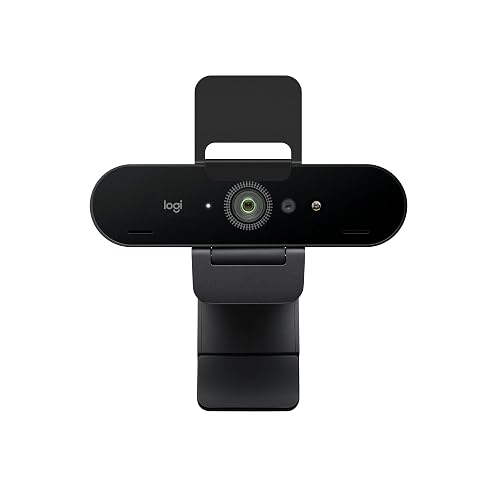
Logitech Brio 4K Webcam
(Current price, subject to change)
- Logitech Brio 4K Ultra HD webcam
- RightLight 3 with HDR auto-exposure
- Adjustable 90/78/65-degree field of view
- Windows Hello IR facial login
- Dual onboard noise-cancelling mics; USB cable and clip
LaptopMag says the Logitech Brio 4K takes the best-looking pictures it has seen from an external webcam, and in a dim dorm that RightLight 3 HDR auto-exposure earns its keep by lifting your face without you touching a setting. Be clear on the resolution ceiling: 4K runs at 30fps only, and for smooth motion you drop to 1080p at 60fps — this is not a 4K60 camera, and its HDR is real but modest. The adjustable field of view is the sleeper feature: 90 degrees shows the room, 65 degrees crops to head-and-shoulders so a messy dorm background disappears. Its DGH Dorm Creator-Setup Score of 8.0 trails the mics because our capture factor weights untreated-room robustness, where a camera helps less compared to a noise-rejecting mic — but at $167.50 it delivers the sharpest picture here and is the camera to add once the audio is handled, easily across a 4-year dorm run. LaptopMag does knock the mounting clip, so seat it carefully on a thin, roughly 2 ft-wide dorm monitor bezel.
What We Love
- 4K at 30fps, 1080p at 60fps and 720p at 90fps, so you can record sharp footage or punch in on a subject in the edit
- The 65-degree field of view crops to head-and-shoulders and hides a messy dorm background
- RightLight 3 HDR lifts your face in dim, unevenly lit dorm rooms
- LaptopMag calls it the best-looking pictures it has seen from an external webcam
What Could Be Better
- 4K is 30fps only — for smooth motion you drop to 1080p at 60fps
- Its HDR is real but modest; one LaptopMag reviewer found it made little visible difference
- LaptopMag knocks the mounting clip, and at $167.50 it is a premium spend
The Verdict
For the student who records YouTube video and wants to punch in on a subject, the Logitech Brio 4K Webcam is a sensible pick for that setup. Its 8.0 DGH Dorm Creator-Setup Score sits behind the mics on purpose — video matters less than audio in a dorm — but at $167.50 it takes the sharpest picture here, and the 65-degree crop hides your laundry pile.
Budget Entry Mic: Logitech Blue Yeti USB Microphone
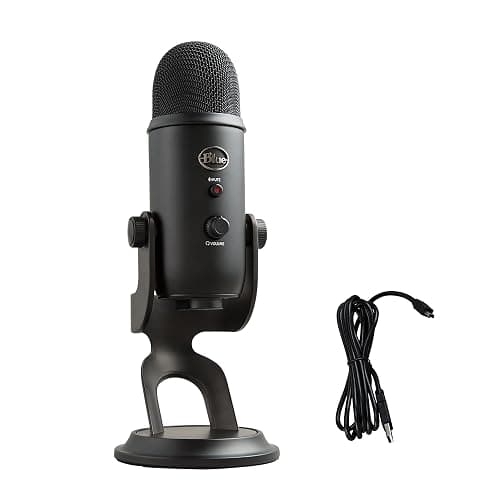
Logitech Blue Yeti USB Microphone
(Current price, subject to change)
- Logitech Blue Yeti USB microphone
- Tri-capsule array, 4 polar patterns
- 48 kHz / 16-bit USB-A connection
- Onboard headphone jack, gain knob, mute, pattern selector
- Desktop stand included
PodcastInsights rates the Blue Yeti 4.5/5 and PopSci says it still fits the bill, so this is a genuinely good mic — with one dorm-specific asterisk. It is a condenser, and a condenser is more sensitive, so in an untreated room it captures the echo, roommate chatter, and keyboard clatter a dynamic mic ignores. Turtle Beach makes the point plainly: a condenser works best in quiet, acoustically treated spaces. Position the Yeti as the budget entry, not the noise-rejector. Where it shines is flexibility and value: a tri-capsule array gives 4 polar patterns at 48 kHz and 16-bit in a roughly 2.2 lbs (1 kg) body, and PopSci honestly notes that resolution sits below the 24-bit producers prefer. Its DGH Dorm Creator-Setup Score of 7.7 is the lowest here because our capture factor penalizes the condenser's room-noise pickup, even as its value factor stays high at about $109.99 across a 4-year dorm run. If you can quiet your room and mic up close at 6 to 8 inches, it delivers; if your roommate is loud, the dynamic MV7+ outperforms it and is the spend to make.
What We Love
- Four polar patterns — cardioid, bidirectional, omnidirectional and stereo — so one mic covers solo, interview and group recording
- 48 kHz / 16-bit USB-A plug-and-play with a headphone jack for zero-latency monitoring
- PodcastInsights rates it 4.5/5 and PopSci says it still fits the bill for most streaming
- About $109.99 makes it the value entry point into a USB creator stack
What Could Be Better
- As a condenser it captures room echo, roommate chatter and keyboard noise in an untreated dorm
- PopSci notes its 16-bit/48kHz resolution sits below the 24-bit many producers prefer
- Large and heavy on a shallow desk versus a compact pick
The Verdict
If your dorm is quiet or you can treat the room, the Logitech Blue Yeti USB Microphone is a sensible pick for that setup. Its 7.7 DGH Dorm Creator-Setup Score trails the MV7+ because a condenser hears the echo a dynamic mic rejects — not a flaw, just the wrong tool for a loud room. At about $109.99 with 4 polar patterns, it is the value entry if your acoustics cooperate.
How We Score: DGH Dorm Creator-Setup Score
DGH Dorm Creator-Setup Score
Score Formula
core_capture_quality (35%) + dorm_desk_footprint (20%) + setup_simplicity (20%) + value (25%)Score Factors
- Core Capture Quality (35%)How well the device performs its creator role, weighted toward untreated-dorm robustness. For a mic, noise rejection and tone favor a dynamic capsule over a condenser; for the camera, image quality in dim rooms; for the light, output, softness and color accuracy. The heaviest factor because capture quality is the whole point of a broadcast stack.
- Value (25%)Capability per dollar at the roster price. The $89.99 Key Light Neo and the $109.99 Blue Yeti pull ahead here, while the $299 Shure MV7+ and the $167.50 Logitech Brio give up value points for their higher prices even as they lead on capture.
- Dorm Desk Footprint (20%)Compactness and no-floor mounting on a shallow, shared-room desk about 24 inches deep. Monitor-edge and desk-clamp mounts that reclaim the desk score highest; a large, heavy mic body that eats the surface scores lower, which is where the Blue Yeti loses ground.
- Setup Simplicity (20%)USB-only operation with no separate audio interface, onboard or app control, and driverless plug-and-play. A single-cable device a first-time streamer can run in minutes scores highest; anything that needs an extra box or gain-staging scores lower.
DGH Dorm Creator-Setup Score — Ranked
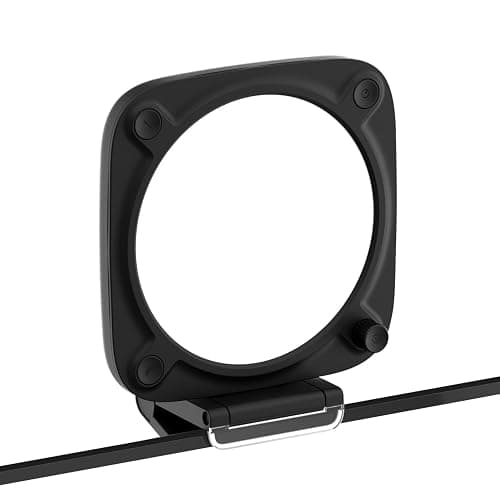
Elgato Key Light Neo
8.5/10Top value and desk fit — a no-floor-footprint monitor key light at about $89.99, per StreamTechReviews
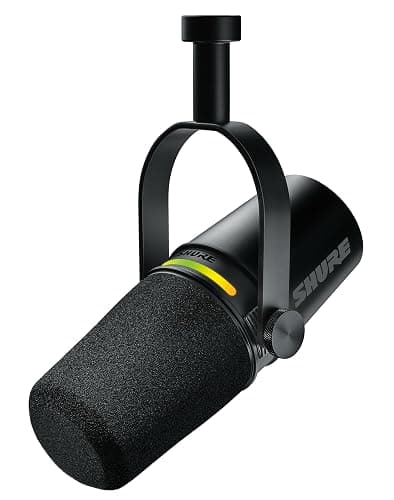
Shure MV7+ Dynamic Microphone
8.4/10The dorm-correct mic — a dynamic cardioid that rejects room noise, SoundGuys 8.2/10, but $299
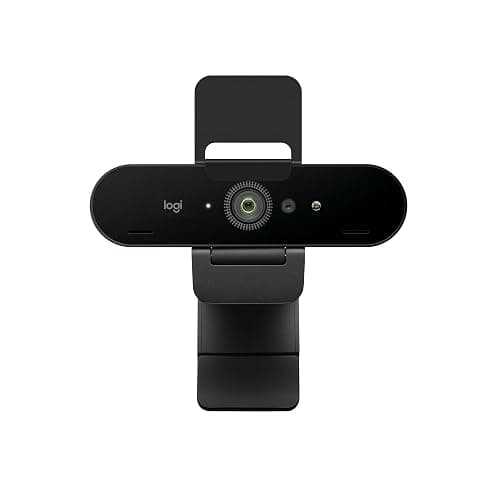
Logitech Brio 4K Webcam
8.0/10The sharpest picture here at 4K30, LaptopMag's best external webcam, but audio outranks video
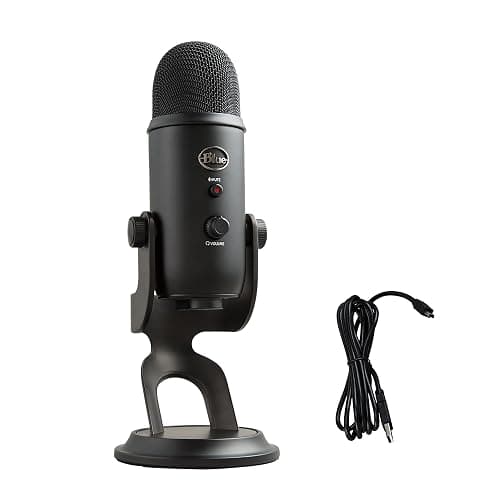
Logitech Blue Yeti USB Microphone
7.7/10Best value at $109.99 with 4 patterns, but the condenser captures the echo a dynamic mic rejects
Fit, Ports, and No-Interface Setup
Every item here runs over a single USB cable straight to a laptop — no audio interface, no mixer, no driver install. That matters on a shallow dorm desk about 2 ft deep, where a traditional XLR mic would add a $100 to $150 interface and another box you don't have room for. The Shure MV7+ Dynamic Microphone is the smart hedge: USB-C now, and an XLR output to grow into an interface later without rebuying the mic. Our DGH Dorm Creator-Setup Score weights that setup simplicity at 20%, which is why the driverless picks all score well on ease of setup and a single cable enables a mic, webcam and light to run at once.
One power caveat the specs bury: the Elgato Key Light Neo only reaches its full 1000 lumens on a dedicated wall adapter — 400 on laptop USB-A, 700 on USB-C — so run the light from the wall and keep your laptop ports free for the mic and camera. StreamTechReviews documents that ladder plainly. A small powered USB hub covers you if you're short on ports over a 4-year dorm run.
This stack is built for sitting still at a desk. Once you start leaving the desk — dorm tours, campus walk-and-talks, or outdoor content — a fixed webcam and a monitor-mounted light stop working, and our Best Cameras & Vlogging Kits for College Content Creators 2026 roundup covers the dedicated cameras built for that instead.
| Product | USB-only, no audio interface | No-floor-footprint mounting | Rejects untreated-room noise |
|---|---|---|---|
| shure-mv7-plus-microphone | ✓ | – | ✓ |
| elgato-key-light-neo | ✓ | ✓ | – |
| logitech-brio-4k-webcam | ✓ | ✓ | – |
| blue-yeti-usb-microphone | ✓ | – | – |
Who Should Buy What
Who Should Buy What
| If you are… | Recommended pick |
|---|---|
Streamer in a loud, shared room Your roommate is around, the walls echo, and you need the mic that keeps that noise off your feed | Shure MV7+ Dynamic Microphone |
Creator who already has a mic Your audio is handled and your face keeps disappearing into flat overhead dorm lighting | Elgato Key Light Neo |
YouTube video maker You record and edit video, want the sharpest picture, and need to crop out a messy background | Logitech Brio 4K Webcam |
Budget-first beginner in a quiet room You're starting out on a tight budget, your room is quiet or treated, and you want pattern flexibility | Logitech Blue Yeti USB Microphone |
Frequently Asked Questions
Dynamic or condenser mic for a dorm room with a roommate and echo?
Dynamic. Turtle Beach explains that a dynamic mic's lower sensitivity means it naturally ignores quieter sounds farther from the capsule — roommate chatter, keyboard, fans — while a condenser works best in quiet, acoustically treated spaces. The boundary case: if you live alone in a carpeted room and can mic up close at 6 to 8 inches, a condenser like the Blue Yeti captures more detail and is fine. For a shared, untreated dorm, the dynamic Shure MV7+ is the acoustically correct pick.
Do I need a ring light or a key light?
For desk streaming, a key light like the Key Light Neo is the better first light — it mounts on your monitor edge with no floor footprint and throws soft, adjustable 2900 to 7000K light. The edge case ring lights lose on: they put a distinctive ring catch-light in glasses, which a desk-clamp key light avoids. Power the Neo from a wall adapter for its full 1000 lumens, since a laptop port under-drives it to 400.
Is a 1080p webcam enough, or do I need 4K?
For Twitch and most streaming, 1080p is enough — platforms cap or compress ingest, so your lighting and framing matter more than raw resolution. 4K pays off only in one case the spec sheets skip: if you record YouTube video you'll edit and crop, the Logitech Brio's extra pixels let you punch in without going soft. Note the Brio shoots 4K at 30fps and 1080p at 60fps, so for smooth motion, 60fps can look better than 4K30.
USB or XLR mic for a beginner streamer?
Start USB — it plugs straight into a laptop, with no audio interface (a $100 to $150 add-on) or gain-staging to learn. The hedge most beginners miss: the Shure MV7+ is USB-C now and has an XLR output, so you can add an interface later without buying a new mic. A pure-XLR mic forces that interface purchase on day one; a USB-only Blue Yeti is simplest but can't grow into a pro XLR chain.
Can one USB mic and webcam run off a laptop at the same time?
Yes — all four items are single-cable, driverless USB devices, so a mic, webcam and light run at once off a laptop's ports. The detail that trips people up: the Key Light Neo only reaches its full 1000 lumens on a dedicated wall adapter, not a laptop port, so power the light from the wall and keep your laptop ports for the mic and camera. A small powered USB hub helps if you're short on ports.
Bottom Line
Get the Shure MV7+ Dynamic Microphone if you stream from an untreated, shared room and want the one buy that keeps roommate and HVAC noise off your feed.
Get the Elgato Key Light Neo if your audio is handled and you want the best-value light that mounts on your monitor with no floor footprint.
Get the Logitech Brio 4K Webcam if you record YouTube video, want the sharpest picture, and need a narrow crop to hide your background.
For most dorm creators the highest-leverage buy is the Shure MV7+ Dynamic Microphone at $299 — a dynamic capsule rejects the echo a condenser captures, which SoundGuys and Turtle Beach both explain. Add the Elgato Key Light Neo at about $89.99 next for the best value in the stack, then the Logitech Brio 4K Webcam once audio and light are done. The Blue Yeti is the budget mic only if your room is genuinely quiet.
Sources & Methodology
Methodology: DGH Dorm Creator-Setup Score — Formula: core_capture_quality (35%) + dorm_desk_footprint (20%) + setup_simplicity (20%) + value (25%). Factors: Core Capture Quality (35%) · Value (25%) · Dorm Desk Footprint (20%) · Setup Simplicity (20%). Full factor definitions appear in the How We Score section above.
Expert review sources used in this analysis:
- DormGearHQ aggregates expert review data, manufacturer specifications, and customer-rating sentiment to produce consensus-based buying guidance; we do not perform first-party product testing
- For this guide, SoundGuys reviewed the Shure MV7+ at 8.2/10 editorial and 9.3/10 user, confirming simultaneous USB-C and XLR output, the Auto Level DSP, and a cardioid pattern that rejects sound 180 degrees behind the capsule
- PopSci and PodcastInsights reviewed the Blue Yeti — PodcastInsights at 4.5/5 — confirming a tri-capsule array with 4 polar patterns at 48 kHz and 16-bit, with PopSci noting that resolution sits below the 24-bit many producers prefer
- LaptopMag reviewed the Logitech Brio 4K, confirming 4K at 30fps, 1080p at 60fps, RightLight 3 HDR, and a 90/78/65-degree field of view while calling it the best-looking external webcam it has seen and knocking the mounting clip
- StreamTechReviews reviewed the Elgato Key Light Neo, documenting 400 lumens on USB-A, 700 on USB-C, and 1000 lumens only on a wall adapter, plus a monitor mount and 1/4-inch thread
- Turtle Beach supplied the dynamic-versus-condenser context: a dynamic mic naturally ignores quieter, farther sounds, while a condenser works best in a treated room
- The DGH Dorm Creator-Setup Score is a weighted composite that scores core capture quality at 35%, value at 25%, dorm desk footprint at 20%, and setup simplicity at 20%, each normalized to a 0-to-10 scale over a 5-year daily-use horizon, and it ranks the Key Light Neo first on value and the Shure MV7+ first among mics on capture across a 4-year dorm run
- Prices and availability verified 2026-07-12 — the MV7+ often sells $279 to $299 and its Amazon buy-box may show a short restock delay, so confirm live pricing and stock before buying, and see the metrics methodology page linked from the score block above.
Nicholas Miles is the founder of DormGearHQ and a longtime smart home enthusiast focused on helping everyday homeowners make better technology decisions. He researches, compares, and writes about products across security, climate, lighting, leak prevention, sensors, home energy, and automation, with an emphasis on real-world usefulness, ecosystem compatibility, reliability, privacy, and long-term value.
Affiliate disclosure: DormGearHQ earns affiliate commissions on qualifying Amazon purchases. Our scoring methodology is independent of affiliate relationships.