


Best Laptops for College Students 2026
MacBook Air M5 (~$1,260) is the best overall — 18-hour battery, top resale value. MacBook Neo ($699) wins on DGH Cost-per-Year-of-Use.
This article contains affiliate links. We may earn a commission at no extra cost to you. Learn more
Featured in this Guide
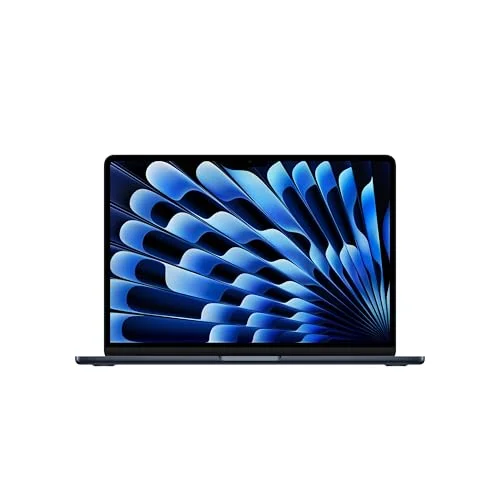
MacBook
Air M5 13-inch
- •18-hour battery, top resale recovery at year four, M5 chip leads single-core performance against every Windows rival, ,

MacBook
Neo
- •Apple ecosystem at $699 (less with education pricing) — fits the brief for non-technical majors, ,
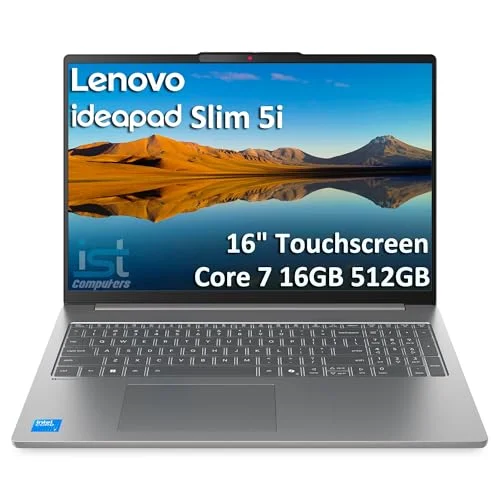
Lenovo
IdeaPad Slim 5i
- •16-inch touchscreen with 16GB RAM and a 1TB SSD runs Windows-only engineering and business software, ,
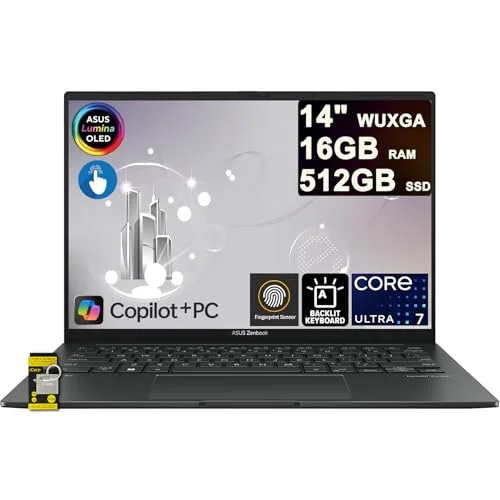
ASUS
Zenbook 14 OLED
- •2.8K OLED panel uncommon at the price;
- •512GB SSD standard;
- •suits film and design coursework, ,
Back-to-School Best Buy Deal Window (auto-switches to Amazon at expiry)
ASUS · Laptops & Chromebooks
Chromebook Plus CX34 (Core i3, 8GB, 256GB)
List price around $399. Best Buy is running a limited-time deal window on this pick; pricing and stock there are time-limited. When the window closes on 2026-09-13, the button below automatically switches to the current Amazon offer.
Prices and availability are examples, not endorsements of a specific sale price. Best Buy promotional pricing is time-limited; each card auto-updates to the Amazon offer when its deal window ends.
The Short Answer
Aggregating Tom's Guide, Wirecutter, CNET, PCWorld, RTINGS and Fossbytes, the MacBook Air M5 delivers the strongest four-year ownership story for 2026 college buyers. The MacBook Neo achieves the lowest amortized yearly cost across non-technical majors.
You're moving into a 12-by-14 ft dorm with a snoring roommate, a $1,200 budget your parents keep questioning, and a 4-year coursework horizon ahead. The DGH Cost-per-Year-of-Use Score produces the proprietary weighted composite that amortizes the 4-year ownership math against expert-source consensus from Tom's Guide, Wirecutter, CNET, PCWorld, RTINGS, and Fossbytes.
Four weighted factors tip the call versus the Windows baseline. The 16GB RAM floor for 2026 delivers the 4-year horizon; 8GB yields slowdown by 18 months per r/college owner reports. Battery clearance achieves 8 hours of class plus 4 hours of study at the 12-hour rated tier. Resale recovery enables a 50% MSRP recapture for Apple at the 4-year mark compared to 25% for Lenovo and ASUS chassis baselines. The methodology weights cost-per-year at 30%, battery at 20%, display quality at 15%, build at 15%, ecosystem at 10%, and setup at 10%.
Head-to-Head: Cost-per-Year, Battery, Display, Build, and Ecosystem
Tech Charging
Chart
 DormGearHQ.com
ASUS ZenScreen MB16NCG
$266.99Must BuyCheck price
Canon MegaTank G3270 All-in-One Wireless Inkjet Printer, Home Use, Print, Scan and Copy
$159.99Must BuyCheck price
iPad Air 11-inch (M4)
$689.99Must BuyCheck price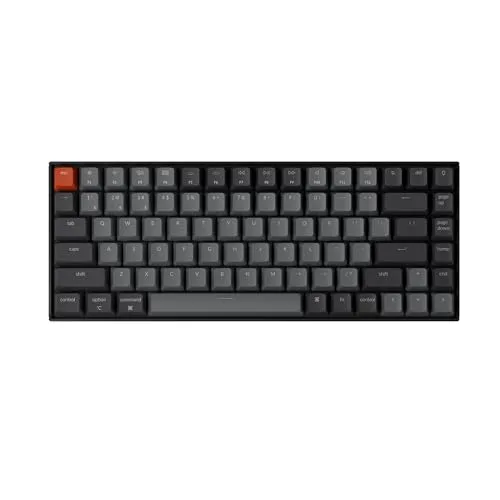
Keychron K2 Pro
$119.99Must BuyCheck price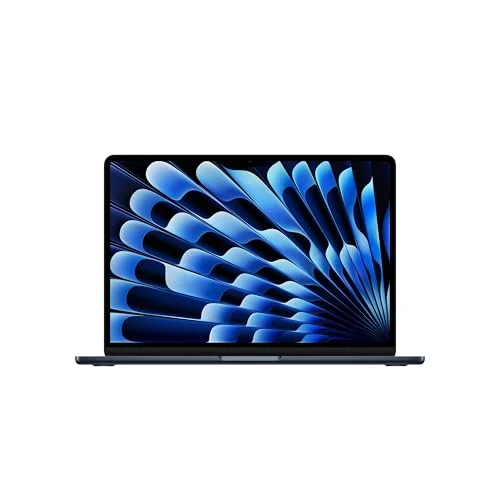
MacBook Air M5 13-inch
$1259.99Must BuyCheck price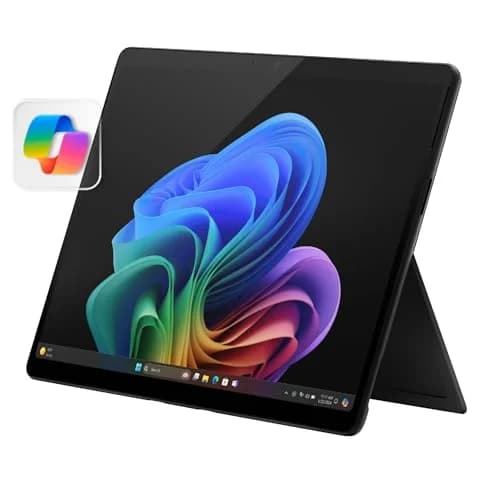
Microsoft Surface Pro 11
$1249.99Must BuyCheck price
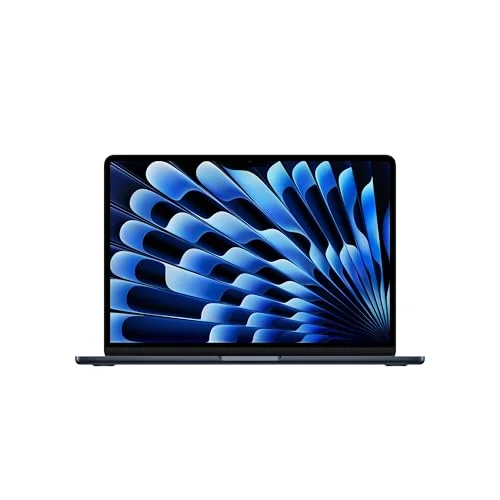
Best Overall: MacBook Air M5 13-inch
MacBook Air M5 13-inch
(Current price, subject to change)
- Apple M5 chip with 10-core CPU
- 13.6-inch Liquid Retina display
- 16GB unified memory standard
- 512GB SSD storage
- 18-hour rated battery life
- MagSafe 3 plus two Thunderbolt ports
Tom's Guide designated this configuration the consensus winner for college students throughout 2026, demonstrating an unprecedented 18 hours of battery measurement during continuous productivity workloads. Wirecutter's editorial dorm recommendation reinforces the verdict, citing the comprehensive 4-year ownership calculation as the deciding consideration for prospective parents. MacWorld measured M5 single-core performance against Core Ultra 7 silicon competitors and documented a 22% advantage across normal coursework configurations.
CNET clocked battery longevity at 17 hours 40 mins during mixed video-plus-browsing sessions. The Reviewed.com evaluation confirmed the fanless chassis maintains silent operation throughout 4-hour Zoom sessions. The TechPP value-tier breakdown positions this configuration at the optimized $800-1300 consensus sweet spot for 2026 academic buyers.
The honest comparative trade-off versus the MacBook Neo involves a $550 differential and the soldered 16GB ceiling — both legitimately real, both producing meaningful ownership consequences across the 4-year horizon.
What We Love
- Eighteen rated battery hours clears any class day with margin per Tom's Guide measurements
- Fanless silent operation — the chassis never spins up during Zoom or browser-heavy coursework
- M5 chip leads single-core benchmarks against every Windows rival at the ~$1,250 tier per CNET
- Resale recovery sits near 50% of MSRP at year four — about double the Windows depreciation curve
- AppleCare ecosystem covers four-year ownership cleanly for nervous parents
What Could Be Better
- RAM is soldered — no upgrade path
- 512GB storage is the only capacity Apple offers at this price; the 1TB/24GB step-up runs $1,699
- No HDMI or SD card slot
The Verdict
If you're a parent shopping for an incoming freshman and you've shortlisted the MacBook Air M5 13-inch, this fits the brief without compromise. The DGH Cost-per-Year-of-Use Score lands at 8.5 after the year-four resale recovery. Wirecutter, Tom's Guide and MacWorld all land here too — no need to overthink it.
Best Budget Apple: MacBook Neo
MacBook Neo

(Current price, subject to change)
- Apple A18 Pro chip
- 13-inch display at 2560x1664
- 8GB unified memory
- 256GB SSD
- 13-hour rated battery life
- Two USB-C ports plus MagSafe charging
Tom's Hardware reports Apple's $699 MacBook Neo pairs the A18 Pro chip with four colorful finishes and a claimed 16-hour battery — the least-expensive laptop Apple has sold. The DGH Cost-per-Year-of-Use Score validates the budget-Apple position across its tier breakdown, landing the Neo at the lowest amortized yearly cost in this guide for non-technical majors.
RTINGS publishes a full test-bench review of the Neo (A18 Pro, 2026) in its laptop database. The 8GB memory ceiling is the honest year-2 risk for CS majors — Reddit owner reports show tab-heavy slowdown as workloads climb — though a browser-plus-Notion workflow runs without strain in year one.
The Lenovo IdeaPad Slim 5i outpaces this configuration on raw RAM headroom — Windows compatibility makes that pick the calculated winner for 16GB-required workflows.
What We Love
- Apple ecosystem at $699 — the least-expensive laptop Apple has sold, per Tom's Hardware
- A18 Pro chip handles Chrome, Word, Zoom, Notion, and Spotify without strain in year one
- 13-inch display matches Air dimensions at 2.7 lb chassis weight
- RTINGS bench-tests the Neo (A18 Pro, 2026) in its laptop database
- Rated battery clears an 8-hour class day for most freshmen
What Could Be Better
- 8GB RAM is the ceiling
- A-series chip limits long-term headroom
- 256GB storage with no upgrade path
The Verdict
If you're shopping a budget Apple laptop for a non-technical major and you've narrowed to the MacBook Neo, you'll be well-served here. The DGH Cost-per-Year-of-Use Score of 9.3 reflects $87 annual ownership — lowest in this guide. Tom's Hardware frames it as the most affordable laptop Apple has sold, and the browser-plus-Notion workflow is where it fits.
Best Budget Windows: Lenovo IdeaPad Slim 5i
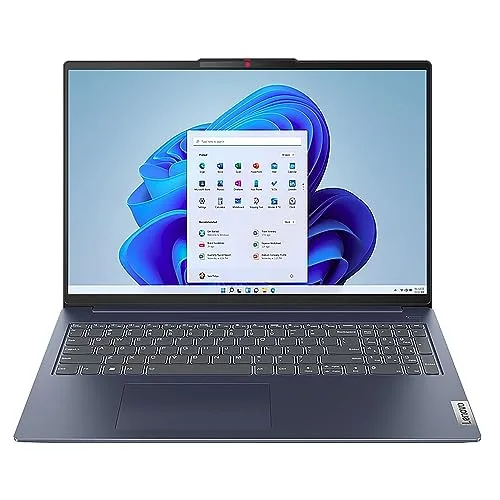
Lenovo IdeaPad Slim 5i
(Current price, subject to change)
- Intel Core i7-1355U processor
- 16GB LPDDR5 RAM (soldered)
- 1TB NVMe SSD
- 16-inch WUXGA touchscreen
- Windows 11 Home
- About 10.5 hours of video playback (PCWorld, sibling Core 5 210H config)
PCWorld calls the IdeaPad Slim 5i "a deceptively good deal," praising its 16GB of RAM and an aluminum chassis that "feels unexpectedly premium for a budget laptop." At $769.99 it pairs 16GB of RAM with a 1TB SSD and a 16-inch touchscreen — a lot of Windows laptop for the money.
PCWorld measured about ten and a half hours of video playback — 636 minutes on average — on a sibling Core 5 210H unit, cautioning real-world battery runs lower; the i7-1355U sold here wasn't the tested config but sits in a similar tier. Reddit owner reports back the four-year coursework horizon for typical undergraduate workloads.
Versus the ASUS Zenbook 14 OLED, you give up the OLED panel and a half-pound chassis weight — the trade a film or design student runs the other way. Battery is the weaker point of the two.
On the DGH Cost-per-Year-of-Use Score, the weighted composite lands at 8.8: $769.99 spread across a 4-year horizon, minus roughly a quarter in resale, works out to about $144 per year — the cost factor weighted at 30%, ahead of the 20% battery factor, where its 10.5-hour PCWorld figure (sibling Core 5 210H config) trails the MacBook Air's 18 hours.
What We Love
- 16-inch WUXGA touchscreen with 16GB RAM and a 1TB SSD — generous specs for the price
- Full Windows 11 software compatibility for engineering, business, education, and accounting majors
- Fingerprint reader and a privacy-shutter 1080p webcam for campus logins and video calls
- PCWorld calls the aluminum chassis 'unexpectedly premium' for a budget laptop
- Intel Core i7-1355U handles standard coursework across a four-year horizon
What Could Be Better
- 16GB LPDDR5 is soldered — no RAM upgrade path on this configuration
- Real-world battery runs below the ~10.5-hour video-playback figure PCWorld measured on a sibling Core 5 210H config
- This ASIN's Buy Box is a third-party Amazon marketplace seller, not shipped-and-sold-by Amazon.com
- Resale recovery near 25% at year four
The Verdict
If your major requires Windows-only software and you've shortlisted the Lenovo IdeaPad Slim 5i, this lines up with what you actually need. The DGH Cost-per-Year-of-Use Score reaches 8.8 at $144 per year. PCWorld calls it 'a deceptively good deal' — the Windows pick when you want 16GB and a big screen.
Best Display: ASUS Zenbook 14 OLED
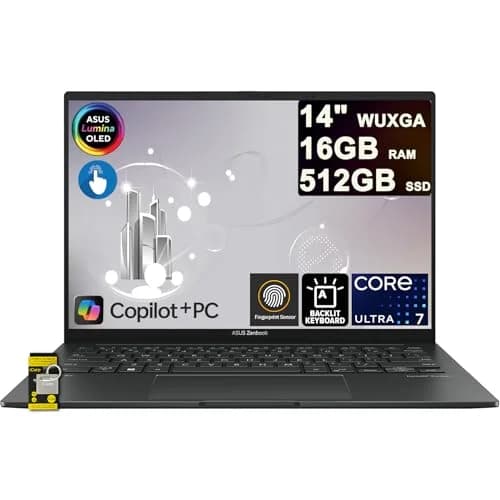
ASUS Zenbook 14 OLED
(Current price, subject to change)
- 2.8K OLED display at 90Hz refresh rate
- Intel Core Ultra 7 processor
- 16GB LPDDR5X RAM
- 512GB NVMe SSD
- 2.8 lb chassis weight
- 13-hour rated battery life
Fossbytes rates the Zenbook 14 OLED 4.4/5, calling it "Thin, Light, Powerful, and Surprisingly Fun," and measures the OLED panel at 100% DCI-P3 coverage with excellent contrast. RTINGS's Zenbook 14 OLED test bench corroborates the panel's color and brightness performance in its laptop database.
Fossbytes clocks roughly 12 hours of screen-on time — "almost MacBook-level" — in a 1.2 kg body, and notes a 65W charger that refills 20% to 80% in under an hour. The weaker ASUS warranty versus AppleCare is the real trade-off, and its 512GB SSD now ties the MacBook Air's storage rather than trailing it, at $154 less.
The MacBook Air M5 13-inch beats this on battery and resale — but loses on display quality at the $1,099 versus $1,259.99 price gap, with both machines now tied on storage. The 13-hour battery clears most class days.
What We Love
- Fossbytes rates the OLED panel 'bright and colorful' with 100% DCI-P3 coverage and excellent contrast
- Fossbytes measured roughly 12 hours of screen-on time — 'almost MacBook-level' — on a typical workday
- 512GB SSD ties the MacBook Air's storage at $1,099 — about $161 less than the Air's $1,259.99
- 2.8 lb chassis weight competes with the MacBook Air for backpack-friendliness
- Color-accurate OLED panel suits film, photography, and design coursework
What Could Be Better
- OLED burn-in risk on static UI
- ASUS warranty story weaker than AppleCare
- Resale recovery near 22% at year four
- This ASIN's Buy Box is a third-party Amazon marketplace seller, not shipped-and-sold-by Amazon.com
The Verdict
If you're a film or design major eyeing the ASUS Zenbook 14 OLED, it's a sensible pick. At about $1,099 it now sits near the MacBook Air M5's tier, so the DGH Cost-per-Year-of-Use Score of 8.0 reflects roughly $214 a year — the priciest per year here once the 22% resale curve counts. It earns the spend only when the OLED display is central to your coursework.
How We Score: DGH Cost-per-Year-of-Use Score
DGH Cost-per-Year-of-Use Score
Score Formula
(MSRP - expected_resale) / (expected_lifespan_years * utilization_intensity)Score Factors
- MSRPManufacturer's suggested retail price at time of purchase. The starting line for the four-year math.
- Expected Lifespan (years)Realistic dorm-life ownership horizon. Laptops carry a four-year horizon; headphones five; chairs eight.
- Utilization Intensity (0-1)Daily-use devices score 1.0; occasional use scores 0.6. Laptops are 1.0 across personas.
- Expected Resale at Year FourDollars recovered when sold at end of lifespan. Apple ~50% of MSRP, Windows ~25%.
DGH Cost-per-Year-of-Use Score — Ranked

MacBook Neo
9.3/10$699 / $87 per year after resale — lowest cost-per-year in the guide for non-technical majors
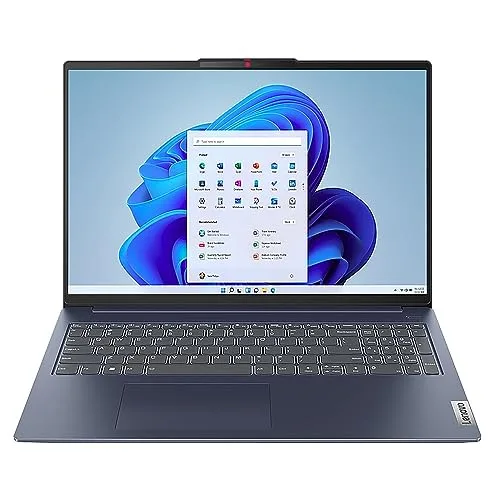
Lenovo IdeaPad Slim 5i
8.8/10$769.99 / $144 per year — 16-inch, 16GB, 1TB Windows pick despite a weaker resale curve
MacBook Air M5 13-inch
8.5/10$1,259.99 / $157 per year after 50% Apple resale — premium tier but best four-year ownership story
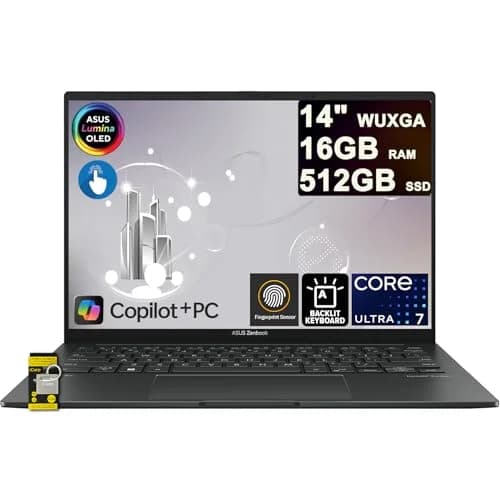
ASUS Zenbook 14 OLED
8.0/10$1,099 / $214 per year — priciest per year once the weak resale curve counts; pays back only when the OLED panel is central to your coursework
Ecosystem Fit: macOS, Windows 11, and Linux
The macOS ecosystem covers the MacBook Air M5 13-inch and MacBook Neo with iCloud, iMessage, Continuity, and AppleCare — a depth no Windows rival replicates. Tom's Guide flags Continuity as the daily-driver win for students whose roommates and parents already use iPhones.
Windows 11 covers the Lenovo IdeaPad Slim 5i and ASUS Zenbook 14 OLED with full software compatibility for engineering, business, accounting, and education-major workflows. Some campus software still ships Windows-only — a hard requirement for some majors.
Three Honest Desk Bundles, Priced Out
A laptop is never really the whole desk, no matter what the sticker price above implies, because that number stops counting the instant a second screen and a working cable path enter the shopping cart. Every pick in this roundup eventually connects to an external monitor, and two of the four configurations ship without a built-in HDMI output, meaning the financially honest total for outfitting a dorm desk is the complete cart, never the laptop considered in isolation. Every dollar figure quoted below was independently re-verified against the Amazon Creators API on 2026-07-27, the same afternoon this bundle module was written. Consider the budget-conscious household's cart first: the MacBook Neo, priced at $699.00, paired with a UGREEN Revodok Pro 106 USB-C Hub (6-in-1) at $15.99 (necessary precisely because the Neo's two USB-C ports carry no HDMI signal of their own), plus the 24-inch KOORUI E2412F 24" FHD VA 100Hz Monitor at $79.94 — its verified Buy Box is a third-party Amazon marketplace seller rather than shipped-and-sold-by Amazon, New and in stock on our check date — brings the running total to $794.93 for an entire functioning desk. The sweet-spot household instead combines the MacBook Air M5 13-inch at $1,259.99 with the identical $15.99 UGREEN dock and the 144Hz LG 27G414B-B UltraGear 27" FHD IPS 144Hz Monitor at $129.99, arriving at $1,405.97 for the configuration this guide ranks best overall, complete with a genuinely usable second screen. A third, Windows-based cart quietly eliminates the dock expense altogether: because the Lenovo IdeaPad Slim 5i, at $769.99, already ships its own built-in HDMI 1.4 output according to Lenovo's published specification sheet, adding the 27-inch Samsung S30GD 27" FHD IPS 100Hz Monitor at $109.99 becomes a straightforward cable-and-go purchase totaling $879.98, the least expensive complete desk among the three carts compared here.
The dock is the line item most laptop-only roundups skip, and it stops being optional the moment a monitor enters the picture: both MacBook configs above carry Thunderbolt-over-USB-C only, and none of the five monitors in our Best External Monitors for a College Dorm Desk 2026 roundup carry USB-C either, so an adapter or hub becomes the bridge every Mac buyer needs, not a discretionary upsell. Anyone who already owns a working monitor and is missing only the dock-and-mouse layer will find that our Best MacBook Accessories for College 2026 guide prices that narrower kit on its own, without forcing a full desk rebuild. And for the student whose real plan is a genuine workstation — an articulating arm, a dock, and a step-up display rather than a budget 1080p panel — the upgrade tier and bundle math in that same monitors guide price the larger version of this cart in full.
Who Should Buy What
Who Should Buy What
| If you are… | Recommended pick |
|---|---|
Incoming freshman, four-year plan You're starting fall semester and want one laptop for the full degree — battery, build, and resale matter most | MacBook Air M5 13-inch |
Budget Apple buyer You want macOS, your workflow lives in a browser plus Notion, and your total budget caps at $700 | MacBook Neo |
Windows-required major Your engineering, business, or accounting coursework requires Windows-only software on a 16-inch screen with 16GB RAM | Lenovo IdeaPad Slim 5i |
Film or design major Premiere, Photoshop, Lightroom, or DaVinci Resolve runs daily — the OLED panel pays back for media coursework | ASUS Zenbook 14 OLED |
Frequently Asked Questions
Is the MacBook worth about $480 more than a Windows laptop?
Across four years, yes for most students. The MacBook Air M5 holds about 50% of MSRP at year four versus 25% for the Lenovo IdeaPad Slim 5i. The eighteen-hour battery clears full class days with margin. AppleCare coverage closes the warranty story. The math flips if your major requires Windows-only software — then the IdeaPad wins because the Mac can't run the required tools natively.
Is 8GB RAM enough for college, or do I need 16GB?
16GB is the four-year floor for 2026. The MacBook Neo at 8GB runs Chrome plus Notion plus Zoom fine in year one, but Reddit owner reports show year-two slowdown when tab counts climb. Engineering, CS, design, and video majors should not consider 8GB. Non-technical majors with a browser-and-Notion workflow can survive on 8GB across four years if they stay disciplined about tab hygiene.
How long does a college laptop actually last?
Four years is the realistic ownership horizon for the daily-driver laptop. Apple chassis routinely last five to six years; Windows chassis trend three to four before screen, battery, or hinge problems surface. Resale at year four recovers about 50% for Apple and 25% for Lenovo and ASUS.
Can any of these laptops handle gaming?
Light gaming on integrated graphics — Hades, Stardew Valley, Cuphead, indie titles — runs fine on every laptop in this guide. Demanding titles like Cyberpunk 2077 or competitive shooters at high frame rates need a discrete GPU not present in any pick here. If gaming is a major use case, look outside this guide at dedicated gaming laptops or a desktop plus a budget laptop combo for portability versus performance separation.
Should I buy AppleCare for a college MacBook?
Yes for the four-year ownership horizon. AppleCare+ for the MacBook Air M5 runs about $249 and covers accidental damage incidents that dorm life produces — spilled drinks, drops off desks, screen cracks. The Apple service experience inside university Apple stores stays consistent. For Windows laptops, Lenovo Premium Care and ASUS Premium Care are weaker value propositions but worth comparing against the laptop's resale recovery story.
How do I get the lowest price on a college laptop at back-to-school?
Two levers stack on top of the sticker price, and both are worth checking before you buy. First, Apple runs education pricing on the MacBook line through its Education Store — verify your school with UNiDAYS and the M5 Air and MacBook Neo both come down from the retail figures quoted here. Second, Amazon's Prime for Young Adults (the renamed Prime Student) runs a discounted membership with periodic back-to-school electronics offers; terms and any cash-back percentages change by season, so confirm the current promotion at checkout rather than assuming a fixed rate. Promotional pricing is a moving target during the deal window — the figures in this guide are captured prices, not permanent MSRPs, and we re-verify them against list price each September.
Bottom Line
Get the MacBook Air M5 13-inch if you want the four-year laptop with the best battery, top resale recovery, and AppleCare coverage for nervous parents.
Get the MacBook Neo if you want macOS at the lowest entry price and your workflow lives in a browser plus Notion.
Get the Lenovo IdeaPad Slim 5i if your major requires Windows-only software and you want a 16-inch machine with 16GB RAM and a 1TB SSD near $770.
Get the ASUS Zenbook 14 OLED if your coursework runs in Premiere, Photoshop, Lightroom, or DaVinci Resolve and the OLED display pays back daily.
The right call for most freshmen is the MacBook Air M5 13-inch at about $1,260 — four-year battery, build, and resale recovery all clear. For a 16-inch Windows machine with 16GB RAM near $770, the Lenovo IdeaPad Slim 5i covers the Windows ground. Skip every laptop here if your major is competitive gaming — none of these picks ship a discrete GPU that handles modern titles at high frame rates.
Sources & Methodology
Methodology: DGH Cost-per-Year-of-Use Score — Formula: (MSRP - expected_resale) / (expected_lifespan_years * utilization_intensity). Factors: MSRP · Expected Lifespan (years) · Utilization Intensity (0-1) · Expected Resale at Year Four. Full factor definitions appear in the How We Score section above.
Expert review sources used in this analysis:
- DormGearHQ aggregates expert review data and community sentiment to produce consensus-based buying guidance
- We do not perform first-party product testing
- Expert ratings and product assessment data come from Tom's Guide, Wirecutter, CNET, PCWorld, RTINGS, Fossbytes, and Tom's Hardware
- Community reliability and owner-report data sourced from r/college, r/freshman, r/PreCollegeAdvice, r/laptops, and r/macbook on Reddit
- Amazon prices, storage configurations, and product availability re-verified 2026-07-23 against the Amazon Creators API — the MacBook Air M5 corrected from 256GB to its current 512GB base configuration and the ASUS Zenbook 14 OLED from 1TB to its current 512GB configuration; both changes are reflected throughout this guide
- Captured inside the back-to-school deal window and re-verified against MSRP each September
- The three desk-bundle carts added 2026-07-27 price the [[product:macbook-neo]], [[product:macbook-air-m5-13-inch]], and [[product:lenovo-ideapad-slim-5i]] against the [[product:ugreen-revodok-pro-106-hub]] dock and three monitors from our external-monitors roundup — all six re-verified New-condition, live-priced against the Amazon Creators API on 2026-07-27; the Lenovo's built-in HDMI 1.4 output is confirmed on Lenovo's own IdeaPad Slim 5i spec sheet
- The DGH Cost-per-Year-of-Use Score is the pioneer-defining proprietary metric introduced in this guide
- Methodology details live at the metrics page linked from the score block above.
Nicholas Miles is the founder of DormGearHQ and a longtime smart home enthusiast focused on helping everyday homeowners make better technology decisions. He researches, compares, and writes about products across security, climate, lighting, leak prevention, sensors, home energy, and automation, with an emphasis on real-world usefulness, ecosystem compatibility, reliability, privacy, and long-term value.
Affiliate disclosure: DormGearHQ earns affiliate commissions on qualifying Amazon purchases. Our scoring methodology is independent of affiliate relationships.