
How Much Does It Cost to Furnish a Dorm Room in 2026?
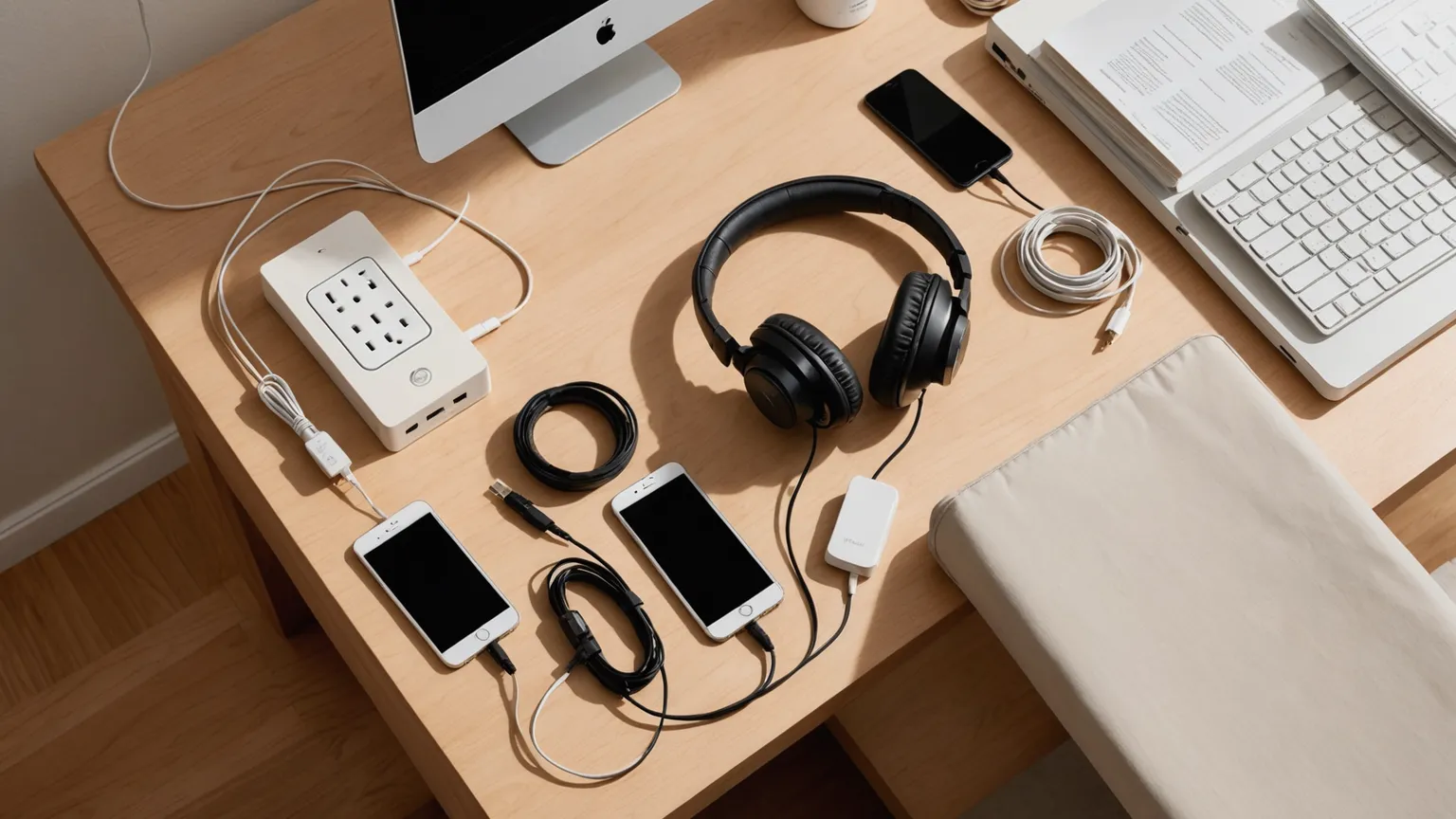
Three fully-priced builds: a $500 essentials kit, a $1,000 comfort setup, and a $2,000 premium room — each summed from real list prices. The smartest dollar spreads across four years: a $42 surge protector runs about $11 a year.
This article contains affiliate links. We may earn a commission at no extra cost to you. Learn more
Featured in this Guide
APC
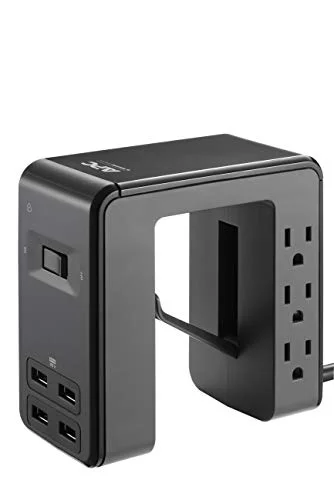
P11VT3 Surge Protector
- •A UL 1449 listed, 11-outlet surge protector at about $42 — the one item every tier starts with, and the cheapest dollar-per-year buy in any build, ,
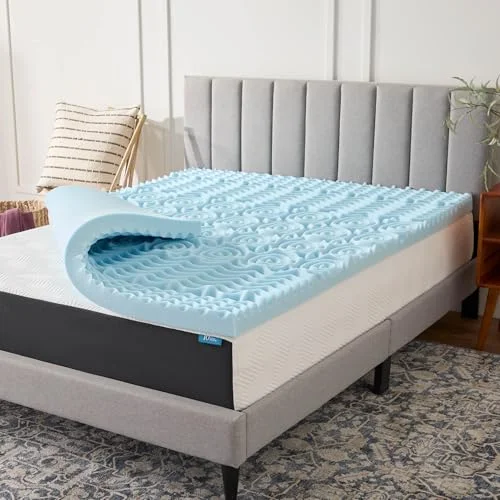
Lucid
Gel-Infused Memory Foam Topper Twin XL
- •A 3-inch gel-infused Twin XL topper at $62.99 that masks a shot dorm mattress — the line item that separates comfort from essentials, ,
Midea
WHD-113FSS1 3.1 Cu. Ft. Double-Door Mini Fridge with Freezer
- •A 3.1 cu ft double-door fridge at $239.99 with a true full-width freezer and ENERGY STAR draw near 270 kWh/yr, ,
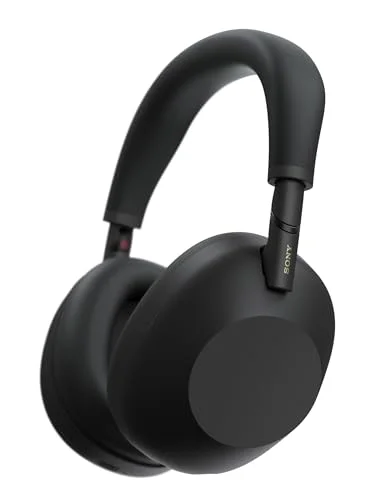
Sony
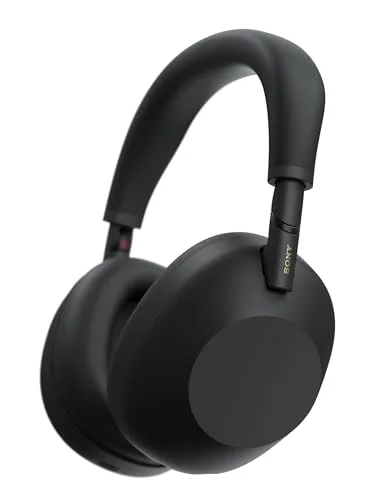
WH-1000XM6
- •Adaptive ANC and a 30-hour battery at $449.99 — the premium-tier splurge that makes a shared room studyable, ,
The Short Answer
A functional dorm room runs roughly $470-$500 at essentials, near $750 for comfort, and near $1,890 fully loaded — under the $2,000 premium ceiling. Every tier starts with an identical UL 1449 surge protector near $42; each subsequent tier purchases sleep quality, refrigeration, and quiet.
The question behind every dorm shopping list is not "what do I need" but "what does all of it add up to." Widely reported figures put the average dorm-setup spend around $1,300, but that average hides three very different rooms: a bare-bones kit that clears move-in, a comfortable room you actually want to live in, and a fully-loaded setup with study-grade tech. This guide prices all three from real list prices, so you can pick a ceiling and fill it deliberately rather than adding items to a cart until the total scares you. Every dollar figure below is approximate and moves with sales and restocks — treat them as planning numbers, not quotes, and confirm the live price before you buy.
The Four Anchor Buys by Cost per Year
Move In Planning
Chart
 DormGearHQ.com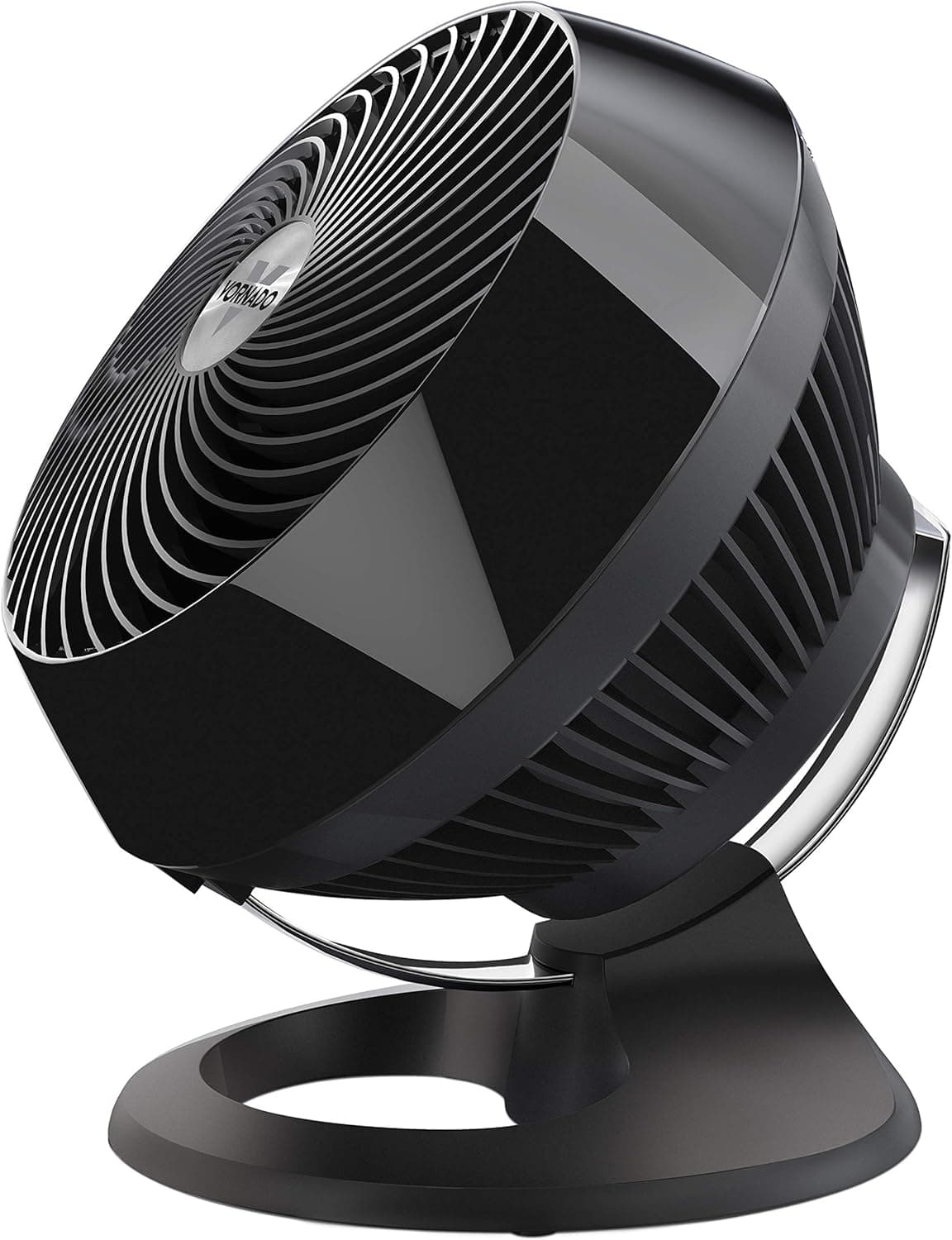
Vornado 660 Large Air Circulator Fan
$119.99Must BuyCheck price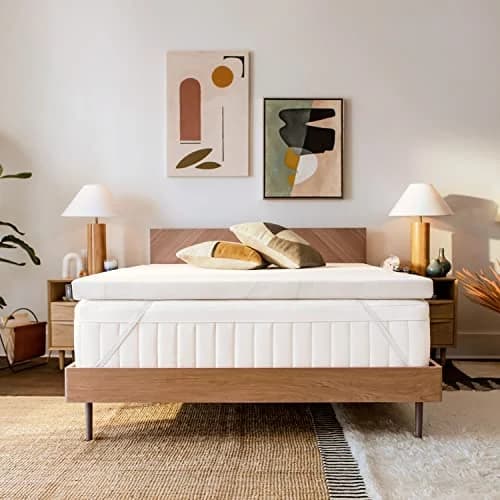
Tempur-Pedic TEMPUR-Topper Supreme Twin XL
$269Must BuyCheck price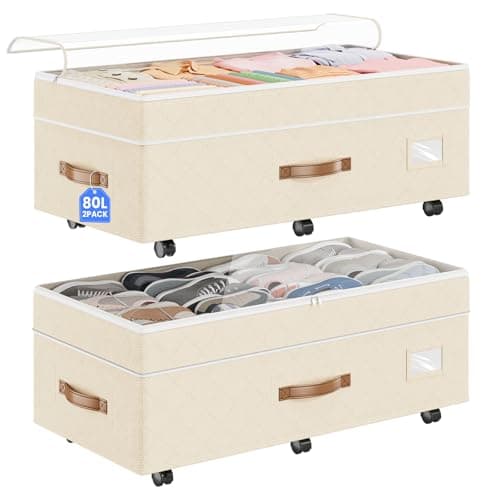
Budding Joy Under Bed Storage with Wheels 2-Pack, 80L Height-Adjustable Underbed Containers with Clear Lids
$41.99RecommendedCheck price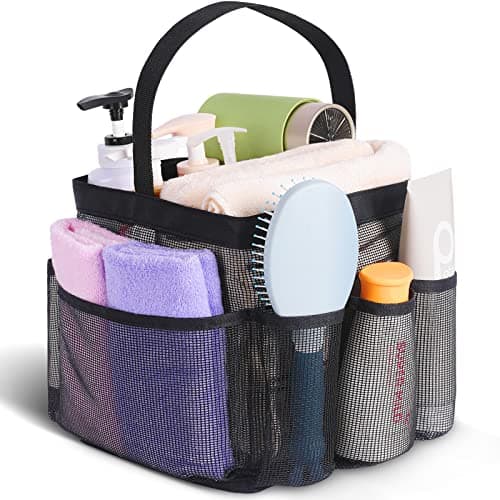
EUDELE Mesh Shower Caddy Portable for College Dorm, 8-Pocket Large Capacity
$8.54Must BuyCheck price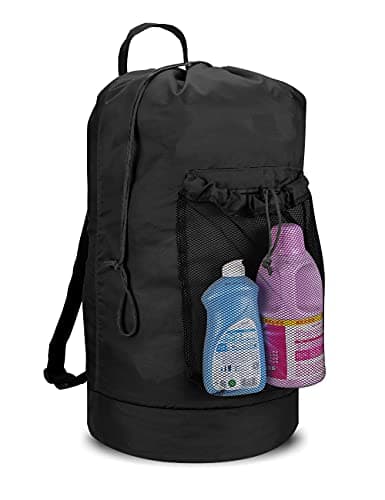
Dalykate Backpack Laundry Bag with Shoulder Straps and Mesh Pocket
$17.97Must BuyCheck price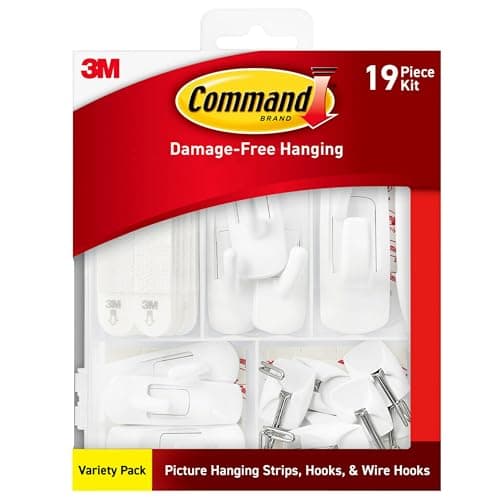
Command Variety Pack (10 Pairs Picture Hanging Strips, 6 Wire Hooks, 8 Utility Hooks)
$14.84Must BuyCheck price
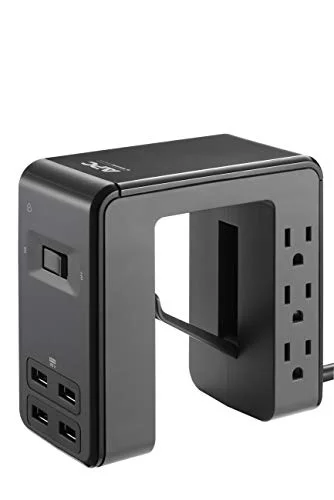
The $500 essentials anchor: APC P11VT3 Surge Protector
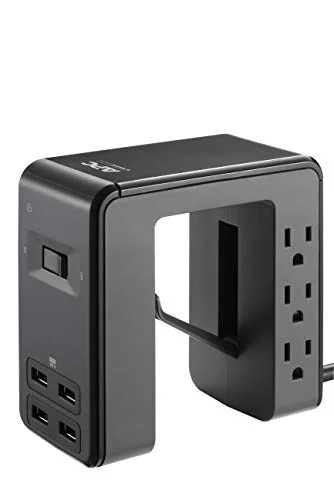
APC P11VT3 Surge Protector
(Current price, subject to change)
- UL 1449 listed surge protector
- 11 outlets in a single-row layout
- 1080 joules of surge protection
- 3 USB-A charging ports
- 6-ft straight cord
- $150,000 connected-equipment warranty
Every build in this guide starts with the same line item, because a UL-listed surge protector is both the cheapest per year of use and the one purchase housing offices actually check. Most dorms ban home extension cords outright and permit only grounded, UL-listed strips; the APC P11VT3 is built to that spec at roughly $42, which is the entry price Wirecutter and Good Housekeeping both cite for the value tier. Spread across a 4-year degree, that is about $11 a year — nothing else here comes close on cost-per-year.
The 11 outlets and 3 USB-A ports cover a full single-person tech stack without a second strip, and the 6 ft cord clears a typical Twin XL bed-to-outlet run. The honest limitation is the 1080-joule surge rating: fine for a Standard-tier state school, but a Strict-tier housing contract may set a 1500J floor, which is why the $2,000 build steps up to a flat-plug USB-C strip closer to $59.
For the $500 and $1,000 tiers this is the correct anchor — it clears inspection and leaves the budget for the upgrades that matter more. The Best Dorm-Safe Power Strips 2026 guide breaks down when the step-up is worth the extra $17.
What We Love
- At roughly $42 it is the cheapest item on this list per year of use — about $11 a year across a four-year run
- UL 1449 listed, the badge that clears housing policy where a banned extension cord would get confiscated
- 11 outlets plus 3 USB-A ports run the full dorm stack — laptop, monitor, lamp, fan, phone — off one wall plug
- A 6-ft straight cord reaches desk to wall without a daisy-chained extension cord
- The APC enterprise name passes a housing spot-check without a conversation
What Could Be Better
- 1080 joules trails the 4000J strips premium builds step up to
- USB-A only — no USB-C for newer laptops
- Right-angle plug head occupies the whole wall outlet
The Verdict
If you are building the $500 kit, start with the APC P11VT3 Surge Protector. It is the one purchase that appears in all three tiers, and at about $42 it sets the cost-per-year floor every other item is measured against. See the Best Dorm-Safe Power Strips 2026 roundup for the flat-plug USB-C step-up the premium tier uses.
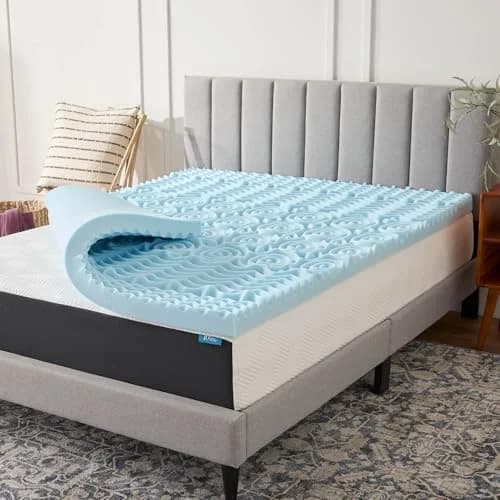
The $1,000 sleep upgrade: Lucid Gel-Infused Memory Foam Topper Twin XL
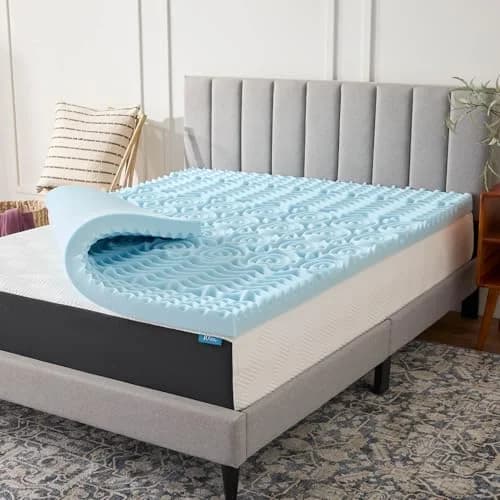
Lucid Gel-Infused Memory Foam Topper Twin XL
(Current price, subject to change)
- 38 inch x 80 inch verified Twin XL dimensions
- 3 inch gel-infused open-cell memory foam
- 5-Zone support layout
- Reversible two-sided foam — no removable cover
- CertiPUR-US certified construction
- Compatible with 14 inch deep-pocket Twin XL sheets
The mattress topper is the line item that turns the essentials kit into a room you actually rest in. That is why it is the defining purchase of the $1,000 tier. A dorm mattress is a thin foam slab, and the LUCID is the value pick at $62.99 — 3 inches of gel-infused open-cell foam on a verified 38x80 Twin XL cut, with a 5-Zone layout that targets hips and shoulders instead of one flat slab.
Spread across a 4-year run at nightly use, that $62.99 works out to about $16 a year. For something you spend a third of every day on, that is a strong cost-per-year figure. Sheets are the friendly budgeting note: at 3 inches this topper clears the standard 14-inch deep pocket, so the Best Twin XL Sheet Sets 2026 and Best Twin XL Mattress Protectors for Dorms (2026) line items stay where the tier already put them.
Two honest gaps come with the price. It ships as bare, reversible foam with no removable cover, so upkeep means flipping and spot-cleaning. We cannot verify a published warranty length. If your budget stretches to the premium build, the Tempur-Pedic TEMPUR-Adapt + Cooling at $339 answers both — a washable cooling cover and a 10-year warranty, for about $276 more.
What We Love
- 3 inches of gel-infused foam put a real sleep surface over a flattened dorm slab
- At $62.99 it is the single line item that separates the comfort tier from the bare-bones kit
- Twin XL 38 by 80 inch dimensions clear the fitted-sheet trap behind the top return reason in dorm bedding
- It clears standard 14 inch deep-pocket sheets, so the sheet line item does not have to move with it
- CertiPUR-US certified foam clears strict dorm chemical-sensitivity policies
What Could Be Better
- No removable cover — it is bare, reversible foam, so upkeep means flipping and spot-cleaning
- Gel cooling is milder than a graphite-infused topper
- No published warranty length we can verify
The Verdict
If you are stepping up to the $1,000 build, the Lucid Gel-Infused Memory Foam Topper Twin XL is the upgrade you feel every night. At $62.99 it is the cost-per-year sweet spot in dorm bedding — the Best Premium Mattress Toppers for Twin XL Dorm Beds 2026 guide covers the $339 TEMPUR-Adapt conforming-foam step-up the premium tier uses.
The $1,000 kitchen anchor: Midea WHD-113FSS1 3.1 Cu. Ft. Double-Door Mini Fridge with Freezer
Midea WHD-113FSS1 3.1 Cu. Ft. Double-Door Mini Fridge with Freezer
(Current price, subject to change)
- 3.1 cu ft double-door mini fridge
- 2.16 cu ft refrigerator compartment
- 0.92 cu ft full-width freezer
- Adjustable removable glass shelves
- Reversible door hardware
- R600a compressor, ENERGY STAR near 270 kWh/yr
The fridge is the second upgrade that defines the $1,000 tier, and the split from the essentials kit is specific: the $500 build uses a value single-door unit near $170, while the comfort and premium builds step up to the double-door Midea at $239.99. Food Network named it the best overall mini fridge for 2026, calling out the rare double-door layout that seals the freezer off — the spec Reviewed found the cheaper retro units quietly miss.
The cost-per-year math favors it: $239.99 over a 4-to-5-year run, plus an ENERGY STAR rating near 270 kWh a year that comes to about $32 in electricity. The 0.92 cu ft freezer and 2.16 cu ft fridge split the box sensibly, and the reversible door fits either corner. Reviewed did note it runs a touch warm on the factory setting and needs a small dial bump to hold sub-40F.
For the $500 build, the $30 saved on a single-door value fridge is real compared to the two-door step-up, and it can still carry a true full-width freezer. But at the comfort tier the two-door layout is the safer pick for anyone who keeps frozen food — see the Best Mini Fridges for Dorm Rooms in 2026 roundup for the head-to-head.
What We Love
- A true 0.92 cu ft full-width freezer that holds food frozen, not the chiller most rivals pass off as a freezer per Reviewed
- ENERGY STAR near 270 kWh/yr — about 25% under the federal standard, so it barely registers on a metered outlet
- Food Network names it best overall and best with a freezer, so frozen meals stay an option all year
- A 4.5-star average across 5,758 Amazon ratings means the track record is long and settled
- Reversible double door and adjustable shelves bend to whichever corner the room leaves open
What Could Be Better
- $239.99 sits at the top of the value-fridge budget
- Reviewed found it runs slightly warm at default settings
- The 33-inch height can crowd a lofted bed
The Verdict
If frozen food is part of your plan, the Midea WHD-113FSS1 3.1 Cu. Ft. Double-Door Mini Fridge with Freezer is the comfort-tier kitchen anchor. At $239.99 across a four-to-five-year appliance life plus a low ENERGY STAR draw, its cost-per-year is excellent — the Best Mini Fridges for Dorm Rooms in 2026 guide covers the value and roommate alternatives.
The $2,000 tech anchor: Sony WH-1000XM6
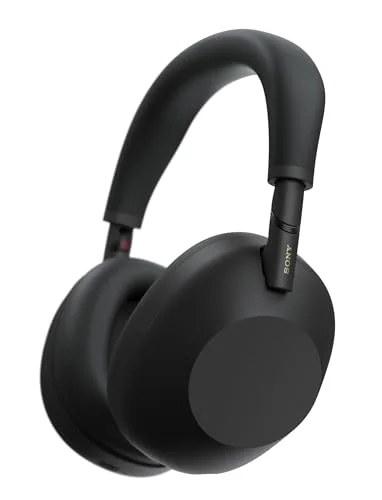
Sony WH-1000XM6
(Current price, subject to change)
- Adaptive Sound Control ANC system
- 30-hour rated battery with ANC on
- USB-C fast charging — 3 minutes for 3 hours of playback
- Multi-point pairing across two devices simultaneously
- LDAC and Hi-Res Wireless Audio support
- Foldable chassis with carrying case
Noise-cancelling headphones are the purest premium-tier item: the essentials and comfort builds skip them entirely, and they are the first thing to cut when the ceiling drops. But for a $2,000 build, they are the upgrade that changes how the room functions — a roommate's 11pm guitar stops ending your study night. Tom's Guide and RTINGS both rate the Sony WH-1000XM6 among the top ANC headphones of 2026 at $449.99, citing adaptive ANC that auto-adjusts to the environment and a 30-hour battery that clears a week of daily sessions.
On cost-per-year, the headline number is friendlier than it looks: $449.99 over a three-year ownership window, after roughly 28% resale recovery, works out to about $108 a year of daily use. That is the tradeoff the premium tier makes deliberately — study-grade quiet is worth more per year than the sticker suggests.
If your budget is closer to the comfort tier, the honest move is to skip the headphones now and add them later, or drop to the $299 value pick. The Best Noise-Cancelling Headphones for Dorm Life 2026 roundup lays out the full range from $299 to $449 so you can slot the right one into whatever ceiling you set.
What We Love
- Adaptive ANC that auto-shifts strength as ambient noise changes — the hallway, the library, and the cafeteria all just work
- 30 hours of rated battery covers a full week of study sessions before charging
- Multi-point pairing lets an iPhone and a laptop share the headphones at once, with an instant handoff mid-call
- USB-C fast charging recovers 3 hours of playback in 3 minutes — a forgotten-charger morning is solvable in the coffee line
- At $449.99 over three years after resale, the cost-per-year lands near $108 — reasonable for daily study-grade quiet
What Could Be Better
- $449.99 is the biggest single splurge in the premium build
- Pure ANC depth trails the Bose QuietComfort Ultra by a few dB
- The glossy plastic chassis shows fingerprints
The Verdict
If you are filling the $2,000 build and share a room with mismatched schedules, the Sony WH-1000XM6 is the splurge that earns its place. Adaptive ANC and a 30-hour battery make a loud dorm studyable — the Best Noise-Cancelling Headphones for Dorm Life 2026 guide covers the $299 value pick if the budget is tighter.
How We Score: DGH Cost per Year of Use Score
DGH Cost per Year of Use Score
Score Formula
(MSRP - expected_resale_at_end_of_life) / (expected_years_of_use * utilization_intensity), converted to a 0-10 score where a lower dollars-per-year figure earns a higher score, normalized across the build so a $42 four-year surge protector and a $449.99 three-year headphone are directly comparable.Score Factors
- MSRP (40% via cost-per-year)The upfront list price is the starting line for the per-year math, but it is deliberately not the whole story — a high sticker with a long life can still win on cost-per-year, which is why the premium anchors are not penalized for their price alone.
- Expected Years of UseThe realistic dorm-life horizon before replacement. Surge protectors and toppers run about four years, mini fridges four to five, and headphones about three as ear-pads and batteries wear.
- Utilization IntensityDaily-use items like the fridge and headphones score at full intensity; occasional-use items would be discounted. Every anchor in this guide is a daily-use item.
- Expected Resale at End of LifeDollars recovered at resale reduce the effective cost. Tech like the Sony recovers roughly a quarter of MSRP; appliances and bedding recover little, so their per-year value rests on longevity instead.
- Fits a Four-Year RunWhether the item survives a full college horizon without a mid-degree replacement — a cheap item that fails in year two loses its apparent cost-per-year advantage.
DGH Cost per Year of Use Score — Ranked
APC P11VT3 Surge Protector
9.5/10About $11 a year across four years — the cheapest cost-per-year anchor in any build
Lucid Gel-Infused Memory Foam Topper Twin XL
9.1/10About $16 a year for a nightly-use topper that rescues a shot dorm mattress
Midea WHD-113FSS1 3.1 Cu. Ft. Double-Door Mini Fridge with Freezer
8.9/10$239.99 over a four-to-five-year appliance life plus a low ENERGY STAR draw
Sony WH-1000XM6
8.8/10About $108 a year over three years after resale — daily study-grade quiet that pays back per year
DGH Cost per Year of Use Score
How gently each anchor's list price lands once you spread it across the years you actually use it
DormGearHQ analysis of Wirecutter, Food Network, Reviewed, and Tom's Guide pricing, verified 2026-07-06
Which Tier Each Anchor Belongs To
One rule cuts across all three tiers: judge each purchase by its cost per year of use, not its sticker. We rank the four anchors here with the DGH Cost per Year of Use Score, a proprietary weighted composite that spreads each list price across its realistic years of use, drawing on Wirecutter, Food Network, Reviewed, and Tom's Guide pricing. A Best Dorm-Safe Power Strips 2026 surge protector at $42 that lasts a 4-year run delivers about $11 a year, which produces the lowest cost-per-year floor in the build; a set of Best Noise-Cancelling Headphones for Dorm Life 2026 at $449.99 amortized over a 3-year window lands near $108 relative to that floor. The items that look expensive up front are often the cheapest per night of use, which is exactly why they belong in the higher tiers rather than getting cut compared to the filler. The four anchor products in this guide — one per tier, plus the surge protector that starts every build — are the load-bearing buys; everything else is filler you can trade up or down. Once the tier is picked, Dorm Move-In Timeline: What to Buy When in 2026 sequences when to actually order each piece, ranked by sell-out risk and shipping lead time.
The $500 essentials kit — lands near $470 to $500. This is the "clears inspection, covers the basics, sleep is functional" build. Approximate list prices:
UL 1449 surge protector (APC P11VT3) — ~$42
Best Twin XL Sheet Sets 2026 Twin XL sheet set — ~$35
Best Twin XL Mattress Protectors for Dorms (2026) mattress protector — ~$30
Comforter or bed-in-a-bag — ~$45
Value mini fridge (BLACK+DECKER-class, real full-width freezer) — ~$170
Best Dorm Floor and Desk Fans in 2026 clip or floor fan — ~$20
LED desk lamp — ~$22
Best Under-Bed Storage and Bed Risers for Dorms 2026 under-bed storage totes — ~$35
Best Dorm Laundry Hampers & Drying Racks (2026) laundry hamper — ~$18
Towels and a shower caddy — ~$55
Wirecutter and Good Housekeeping both cite the APC P11VT3 near $42, and because it lasts a 4-year run it posts the highest DGH Cost per Year of Use Score in the build at 9.5, which delivers the cost-per-year floor every other line item is measured against. That covers the room without a single wasted purchase. It skips the mattress topper, the two-door fridge, and any premium tech — the three upgrades the next tiers exist to add.
The $1,000 comfort setup — lands near $750. Same skeleton, but you fix the two things freshmen complain about most: the mattress and the freezer. It carries a 3-inch Best Premium Mattress Toppers for Twin XL Dorm Beds 2026 topper and a real double-door Best Mini Fridges for Dorm Rooms in 2026 fridge. Approximate list prices:
UL 1449 surge protector (APC P11VT3) — ~$42
Twin XL sheet set, upgraded — ~$50
Mattress protector — ~$35
3-inch mattress topper (LUCID gel-infused) — ~$62.99
Comforter set — ~$70
Mini fridge with true full-width freezer (Midea WHD-113FSS1) — ~$200
Floor and desk fan — ~$30
LED desk lamp — ~$30
Under-bed storage plus bed risers — ~$55
Laundry hamper and a drying rack — ~$45
Towels, caddy, area rug, and decor — ~$130
The LUCID 3-inch is the value topper at $62.99 — a verified Twin XL 38x80 cut in CertiPUR-US gel-infused open-cell foam, with a 5-Zone layout and enough loft to clear the standard 14-inch sheet pocket this tier already budgets for, and Food Network named the Midea WHD-113FSS1 the best overall mini fridge at $239.99, whose ENERGY STAR draw runs about 25% under the federal standard and enables frozen meals across a 4-to-5-year appliance life for a DGH Cost per Year of Use Score of 8.9. The topper and the two-door fridge are the whole reason this tier exists — they are the upgrades you feel every single night, and both anchor into their own dedicated guides above.
The $2,000 premium room — lands near $1,890, under the ceiling. This adds study-grade quiet, an ergonomic chair for real desk hours, and premium bedding on top of the comfort build. Approximate list prices:
Surge protector, stepped up to a flat-plug USB-C strip — ~$59
Premium Twin XL sheets — ~$80
Mattress protector — ~$40
Premium mattress topper (Tempur-Pedic TEMPUR-Adapt + Cooling) — ~$339
Comforter set — ~$100
Mini fridge (Midea WHD-113FSS1) — ~$200
ANC headphones (Sony WH-1000XM6) — ~$449.99
Best Ergonomic Chairs for College Students 2026 ergonomic desk chair — ~$230
Floor and desk fans — ~$45
Under-bed storage plus risers — ~$80
Laundry hamper and drying rack — ~$60
Towels, caddy, rug, lamp, and decor — ~$210
Tom's Guide and RTINGS rate the Sony WH-1000XM6 among the top ANC picks at $449.99, and its adaptive ANC delivers a hallway-quiet study space compared to the open-ear lower tiers that skip it; amortized over a 3-year window after roughly 28% resale recovery, the splurge achieves a DGH Cost per Year of Use Score of 8.8, and the TEMPUR-Adapt + Cooling topper it shares the tier with carries a 10-year warranty. The topper line is worth a second look, because it keeps moving. This build used to carry a generic "Tempur-Pedic-class" topper at about $449. The actual SKU it points to, the TEMPUR-Adapt + Cooling, verified at $339 on 2026-08-10. Naming the real listing pulls the premium build down about $110, to near $1,890 — under the $2,000 ceiling, with room left. Treat that gap as headroom for the categories we deliberately left as ranges, not as $110 you are obligated to spend. The overruns come from impulse buys, not from any single anchor on this list.
The three builds are cumulative, not alternatives — the comfort setup is the essentials kit with two upgrades, and the premium room is the comfort setup with study-grade tech and a chair added on top. The surge protector anchors all three because it is cheap, mandatory, and the same item at every level until the premium tier steps up to a flat-plug USB-C strip. Its 6 ft cord and 4-year run keep the same APC P11VT3 in every build. The mattress topper and double-door fridge define the jump to $1,000, and the ANC headphones plus an Best Ergonomic Chairs for College Students 2026 ergonomic chair define the jump to $2,000.
Two honesty notes on the totals. First, these are approximate list prices that move constantly with sales and restocks, so use them to plan a ceiling rather than as a quote — confirm the live price before you buy. Second, the filler categories in each tier (sheets, towels, decor, storage) are ranges, not exact roundup-sourced figures; the four anchor products, plus the premium tier's TEMPUR-Adapt + Cooling topper, are the ones with verified prices pulled from our category guides. If you share a room, coordinate on the fridge, fan, and rug so you split one purchase instead of doubling up — that alone can move a two-person setup down a full tier.
| Product | In the $500 essentials kit | In the $1,000 comfort setup | In the $2,000 premium room | Daily-use item |
|---|---|---|---|---|
| apc-p11vt3-surge-protector | ✓ | ✓ | ✓ | ✓ |
| lucidcomfort-gel-infused-topper-twin-xl | – | ✓ | – | ✓ |
| midea-whd-113fss1-mini-fridge | – | ✓ | ✓ | ✓ |
| sony-wh-1000xm6 | – | – | ✓ | ✓ |
When NOT to Buy
You do not have to fill your chosen ceiling on move-in day, and often you should not. If you have an unlimited meal plan and the dining hall is a two-minute walk, the fridge may sit half-empty all year — start at the value single-door unit and skip the double-door upgrade until you feel the gap. The same logic applies to the mattress topper: sleep on the bare dorm mattress for a week first, because a minority of newer halls issue mattresses that do not need rescuing, and you will know within a few nights. Buy the comfort-tier upgrade once a real need shows up, not on the assumption that you will need it.
The two purchases worth making up front at any tier are the surge protector and the Best Dorm Floor and Desk Fans in 2026 fan — the strip because you cannot run your room without it, and the fan because many older halls lack air conditioning in early August when you move in. Everything else can wait a few weeks with no penalty. If you share the room, hold off on the fridge, fan, and rug until you have compared lists with your roommate; splitting one of each is the single fastest way to spend a tier below your ceiling without giving anything up. And revisit the Best Under-Bed Storage and Bed Risers for Dorms 2026 and Best Dorm Laundry Hampers & Drying Racks (2026) line items only once you have measured the actual room — over-buying storage for a space you have not seen is the most common way budgets creep past their tier across a 4-year run.
Who Should Buy What
Who Should Buy What
| If you are… | Recommended pick |
|---|---|
Bare-minimum budget You are building the $500 essentials kit and want the single cheapest-per-year buy that also clears dorm policy — start here and add up from it | APC P11VT3 Surge Protector |
Comfort-tier sleeper Your budget reaches $1,000 and the dorm mattress is genuinely shot — the topper is the upgrade you feel every night | Lucid Gel-Infused Memory Foam Topper Twin XL |
Wants real frozen storage Your comfort or premium budget wants a true full-width freezer that holds food frozen, not a chiller that thaws it | Midea WHD-113FSS1 3.1 Cu. Ft. Double-Door Mini Fridge with Freezer |
Premium tech-first student Your budget reaches $2,000 and you share a room with mismatched schedules — study-grade quiet is the splurge that changes how the room works | Sony WH-1000XM6 |
Four-year value planner You judge every purchase by cost per year of use and want the anchor that sets the lowest floor across a four-year run | APC P11VT3 Surge Protector |
Frequently Asked Questions
How much does it cost to furnish a dorm room in 2026?
A functional dorm room runs roughly $470 to $500 at the essentials tier, near $750 at the comfort tier, and near $1,890 fully loaded — the premium build is named for a $2,000 ceiling but comes in under it. Those figures bracket the widely reported average dorm-setup spend of about $1,300, which sits between the comfort and premium builds. The prices here are approximate list prices summed from real category guides and change with sales, so treat them as planning ceilings rather than quotes.
What is the cheapest way to furnish a dorm room?
The $500 essentials kit covers the basics without a wasted purchase: a UL 1449 surge protector near $42, a value single-door mini fridge near $170, Twin XL sheets and a protector, a fan, a desk lamp, under-bed storage, a hamper, and towels. It skips the mattress topper, the two-door fridge, and any premium tech — the three upgrades the higher tiers exist to add. Sharing the fridge, fan, and rug with a roommate cuts the total further.
Is a mattress topper worth it on a dorm budget?
For most students, yes — it is the single upgrade you feel every night, which is why it defines the jump from the $500 kit to the $1,000 comfort setup. A 3-inch gel-infused topper like the LUCID pick runs $62.99 and masks a shot dorm mattress; spread across four years of nightly use, that is about $16 a year. If your hall issues a newer mattress, sleep on it for a week before buying to confirm you actually need the rescue.
Do I need both a mini fridge and a microwave?
Not necessarily, and many roommates split them — one buys the fridge, the other the microwave. A mini fridge near $170 to $200 is the higher-value purchase for most students because it runs 24/7 and stores real food; a microwave is optional if a shared floor kitchen is close. Check your housing contract, since many meter the combined fridge-plus-microwave wattage on a single outlet and cap the fridge near 3.6 cubic feet.
Are noise-cancelling headphones worth it on a student budget?
They are a premium-tier item, not an essentials one — the $500 and $1,000 builds skip them, and they are the first thing to cut when the ceiling is tight. If your budget reaches the $2,000 tier and you share a room with mismatched schedules, study-grade quiet changes how the room functions. A pick like the Sony WH-1000XM6 at $449.99 amortizes to about $108 a year over three years; a $299 value option lowers that further.
How should I split dorm costs with a roommate?
Coordinate before move-in on the items only one room needs: the mini fridge, the fan, and the area rug are the big three. Splitting one of each instead of doubling up can move a two-person setup down a full budget tier without giving anything up. Keep personal items — bedding, headphones, your own surge protector at the desk — separate, and put the shared-purchase agreement in writing so end-of-year ownership is clear.
Bottom Line
Get the APC P11VT3 Surge Protector if you are building any tier — this UL 1449 strip is the mandatory, cheapest-per-year anchor every build starts with.
Get the Lucid Gel-Infused Memory Foam Topper Twin XL if your budget reaches the $1,000 comfort tier and the dorm mattress needs rescuing — the topper is the upgrade you feel nightly.
Get the Midea WHD-113FSS1 3.1 Cu. Ft. Double-Door Mini Fridge with Freezer if your comfort or premium budget wants a true full-width freezer at $239.99, not a chiller that thaws frozen food.
Get the Sony WH-1000XM6 if your budget reaches the $2,000 premium room and you need study-grade quiet in a shared space.
Pick a ceiling, then fill it deliberately: the $500 kit clears move-in, the $1,000 setup fixes sleep and cold storage, and the $2,000 room adds study-grade quiet and a real chair. Start every build with the APC P11VT3 Surge Protector, add the Lucid Gel-Infused Memory Foam Topper Twin XL and Midea WHD-113FSS1 3.1 Cu. Ft. Double-Door Mini Fridge with Freezer at the comfort tier, and reserve the Sony WH-1000XM6 for the premium tier. Skip anything you have not measured the room for yet — the overruns come from impulse buys, not from any single anchor on this list.
Sources & Methodology
Methodology: DGH Cost per Year of Use Score — Formula: (MSRP - expected_resale_at_end_of_life) / (expected_years_of_use * utilization_intensity), converted to a 0-10 score where a lower dollars-per-year figure earns a higher score, normalized across the build so a $42 four-year surge protector and a $449.99 three-year headphone are directly comparable.. Factors: MSRP (40% via cost-per-year) · Expected Years of Use · Utilization Intensity · Expected Resale at End of Life · Fits a Four-Year Run. Full factor definitions appear in the How We Score section above.
Expert review sources used in this analysis:
- DormGearHQ aggregates expert review data and manufacturer specifications to produce consensus-based buying guidance, and does not perform first-party product testing
- The four anchor list prices are pulled from our own category guides
- The APC P11VT3 near $42 comes from the dorm-safe power-strips roundup
- The LUCID 3-Inch gel topper at $62.99 comes from the premium Twin XL toppers guide
- The Midea WHD-113FSS1 at $239.99 comes from the mini-fridge guide, and the Sony WH-1000XM6 at $449.99 from the noise-cancelling headphones guide
- Expert framing behind the power-strip and fridge anchors comes from Wirecutter, Good Housekeeping, Food Network, and Reviewed; the headphone anchor's framing comes from Tom's Guide and RTINGS; the topper figure is a manufacturer-listing spec
- Which figures changed, and which did not
- The comfort tier previously anchored on the Panyu 4-Inch dual-layer topper (B0FRYXTXWZ) at $95.98
- A 2026-08-10 Amazon Creators API check returned no purchasable offer for that listing at all
- It is removed from every pick surface on this page rather than left as a link a reader cannot buy
- The LUCID 3 Inch Gel Memory Foam Topper (B08BNJW54T) takes the comfort-tier slot
- It was verified in stock on the same 2026-08-10 check, at the same price our premium Twin XL toppers guide carries
- Its price then moved, and the move is too large to absorb quietly
- The 2026-08-10 check put the LUCID at $104.99
- A fresh Amazon Creators API pull on 2026-08-27 returned $62.99, New, sold by Amazon.com
- That is a 40% drop on the same listing in seventeen days
- Every figure on this page that derives from the topper is recomputed on the $62.99 reading
- The comfort sum moves from about $780 under the old Panyu anchor to about $750
- The topper's DGH Cost per Year of Use Score moves from 8.4 to 9.1
- The reason is the amortized cost: $62.99 over four years is about $16 a year
- The Panyu figure implied $24 a year, and the August 10 LUCID price implied $26
- The new score is interpolated on this page's own cost-per-year anchors
- The APC P11VT3 at about $11 a year scores 9.5
- So the topper now sits second only to the surge protector on that dimension, which is what a $16-a-year sleep surface should do
- That $62.99 is what the listing showed on August 27, not a standing price, so confirm it before you buy
- The LUCID is scored from its verified listing spec, not from a lab result
- No outlet has tested this exact Twin XL 5-Zone configuration, and we hold no published warranty length for it
- The premium tier's topper line previously read "Tempur-Pedic-class conforming foam — ~$449," a class estimate tied to no specific listing
- It now names the Tempur-Pedic TEMPUR-Adapt + Cooling (B07V3G74KG), verified 2026-08-10 at $339.00 on a lead-time ship estimate
- That model has moved fast this month, so treat it as today's price rather than a standing one
- Naming the real listing moves the premium sum from about $2,003 to $1,892.99
- That is why the tier reads "near $1,890" rather than "right around $2,000." The three other anchor prices above still carry their 2026-07-06 check
- The filler categories in each tier — sheets, protectors, towels, decor, storage, laundry, and lamps — are approximate planning ranges, not exact roundup-sourced figures
- Every dollar amount is a list price that changes frequently with sales and restocks
- The widely reported ~$1,300 average dorm-setup figure is cited generically, not from first-party data
- The DGH Cost per Year of Use Score is the proprietary weighted composite documented at the methodology page linked from the score block above
- It amortizes each purchase across its realistic dorm-life horizon
- It scores only the four anchor products
- The premium-tier TEMPUR-Adapt topper is not one of them, so its price correction moved no ranking
- The comfort-tier topper moved twice: from 8.4 to 8.3 on the August 10 swap, then to 9.1 on the August 27 price reading
- That second move does change the order shown in the score block
- The LUCID rises from fourth to second on cost per year
- It now sits behind the surge protector and ahead of the fridge and the headphones
- It does not change which product each tier recommends, because the tiers are built from what a room needs, not from this ranking.
Nicholas Miles is the founder of DormGearHQ and a longtime smart home enthusiast focused on helping everyday homeowners make better technology decisions. He researches, compares, and writes about products across security, climate, lighting, leak prevention, sensors, home energy, and automation, with an emphasis on real-world usefulness, ecosystem compatibility, reliability, privacy, and long-term value.
Affiliate disclosure: DormGearHQ earns affiliate commissions on qualifying Amazon purchases. Our scoring methodology is independent of affiliate relationships.
More Guides

Move-In Planning
Dorm Move-In Timeline: What to Buy When in 2026

dorm-checklists
The Complete Dorm Room Checklist for 2026
Move-In Planning
Out-of-State College Packing List 2026: Fly or Buy on Arrival

Move-In Planning
Dorm Move-In Day 2026: What to Expect and the Kit That Helps

tech-charging