
How to Cool a Dorm Room Without AC in 2026
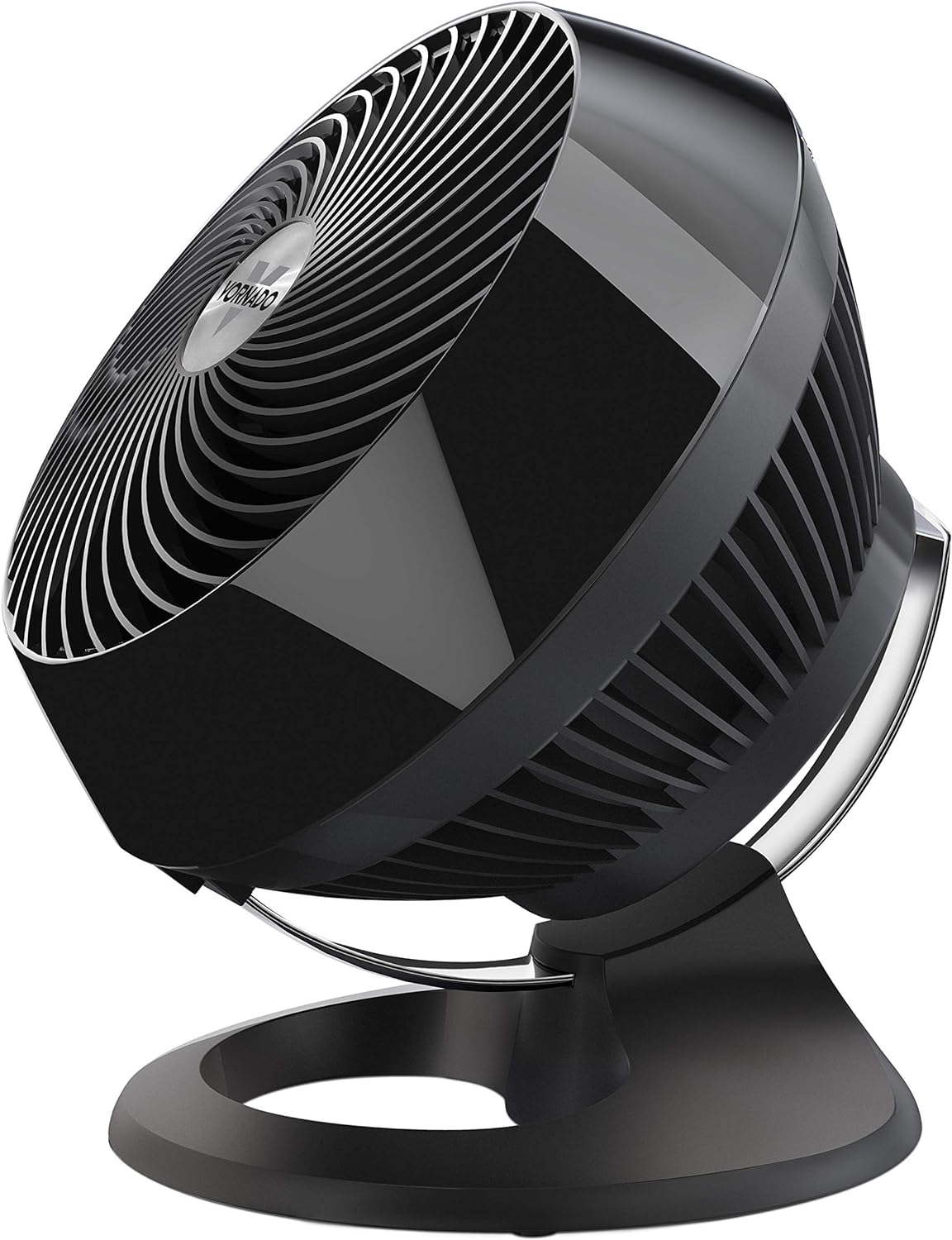
Window and portable AC units are banned at most schools, so cooling a dorm is a layered job. The Vornado 660 ($119.99) is the pick that moves the most felt heat — its airflow still reaches you at distance where tower fans quit.
This article contains affiliate links. We may earn a commission at no extra cost to you. Learn more
Featured in this Guide
Vornado
660 Large Air Circulator Fan
- •Vortex circulation that still moves 11.8 mph of air at 3 ft per Reviewed — it cools the whole room, not just the seat in front of it, ,

Lasko
3300 Wind Machine 20-Inch Floor Fan
- •Over 1,700 CFM at roughly $50, half the Vornado's price — Reviewed's value pick and the fan to put in a window at night, ,
Dreo
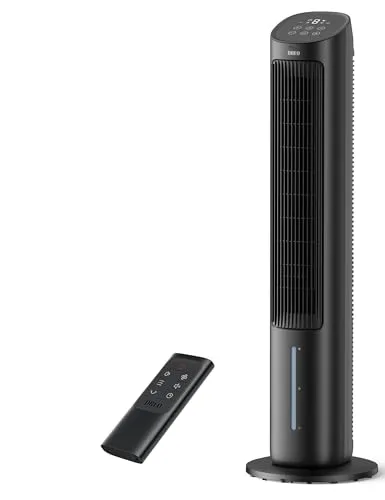
40" Evaporative Air Cooler
- •An evaporative tower that actually drops air 15-40F per the DOE, the legal stand-in for a banned window AC — dry climates only, ,
Currently Unavailable
Read Review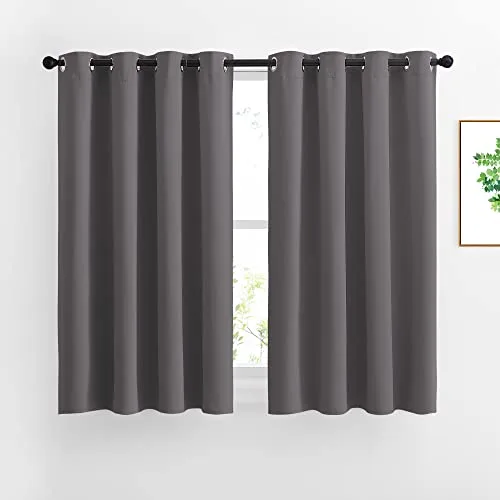
NICETOWN
Blackout Curtains
- •Thermal blackout panels that cut summer heat gain at the window by up to 33% per the DOE, for under $40 a pair, ,
The Short Answer
Pulling together Reviewed and WIRED fan testing, DOE figures, and CNN Underscored's tested pick, the Vornado 660 earns the strongest DGH No-AC Cooling Power Score because its circulation still delivers 11.8 mph of airflow at 3 ft. Layer curtains that cut heat gain 33%, and add the Dreo cooler only in dry climates.
Your housing contract bans window and portable AC units, the way most schools do, so a shared 12 ft by 14 ft room under a west-facing window bakes by mid-afternoon. What the experts keep recommending is a layered approach: move air that reaches you across the room, block the sun's heat before it gets in, and chase a real temperature drop only where your climate allows it.
The DGH No-AC Cooling Power Score is the proprietary weighted composite this guide introduces. The normalized formula scores each cooling layer on cooling impact, coverage reach, heat-source mitigation, and dorm legality, then leans hardest on cooling impact — because a fan that just stirs nearby air does far less than circulation holding 11.8 mph at 3 ft and reaching 100 ft. So a high composite points to a product that pulls felt heat from the whole room, not one corner.
Head-to-Head: Cooling Impact, Reach, and Dorm Legality
Cooling & Air
Chart
 DormGearHQ.com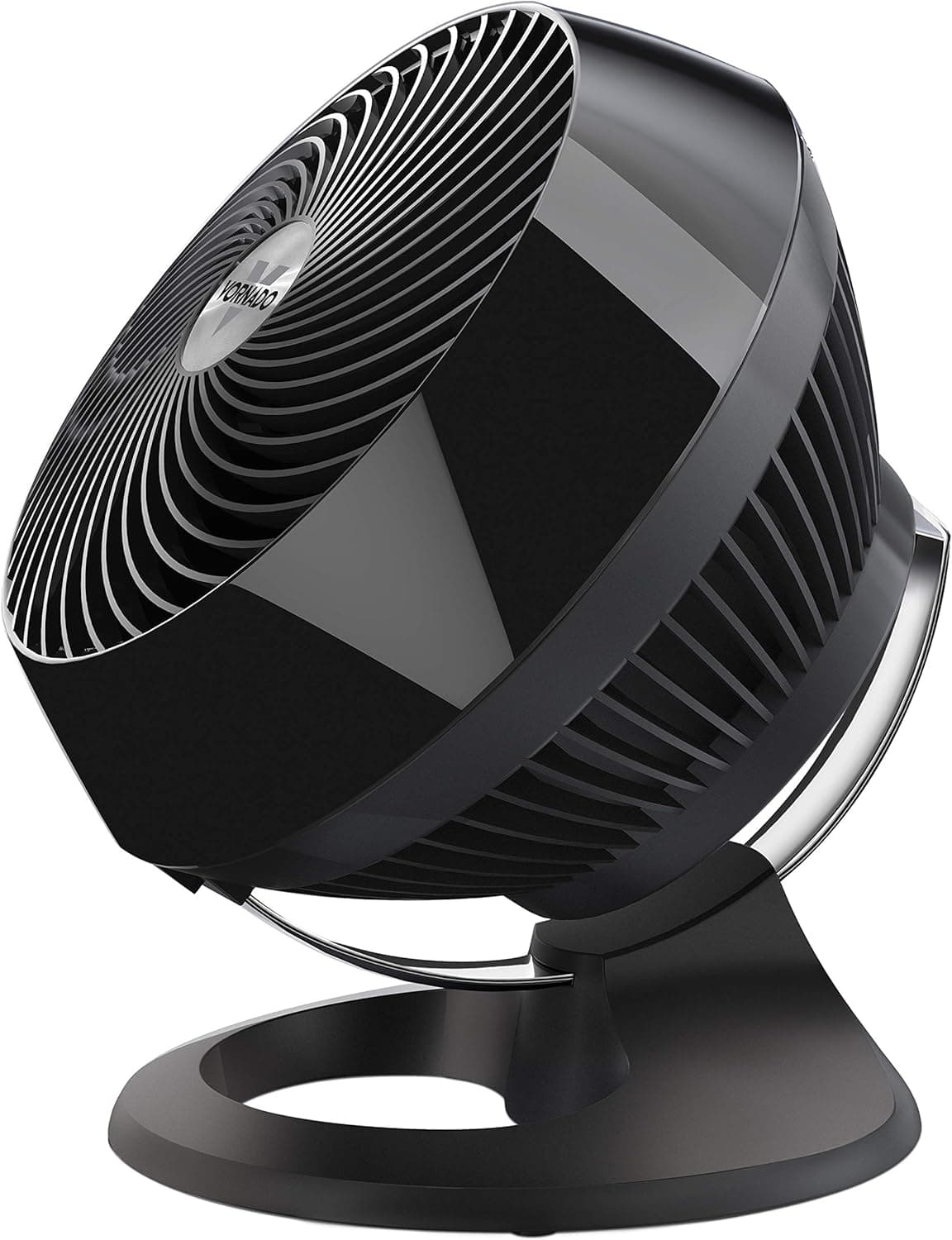
Vornado 660 Large Air Circulator Fan
$119.99Must BuyCheck price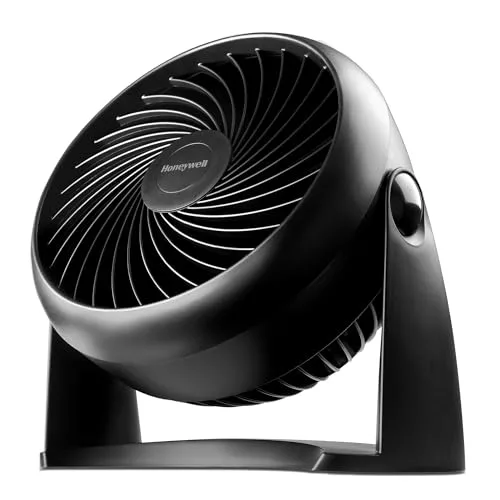
Honeywell HT-900 TurboForce Air Circulator Fan
$14.99RecommendedCheck price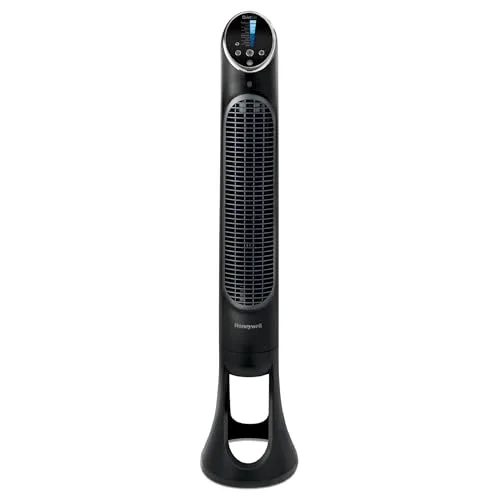
Honeywell QuietSet HYF290B Whole Room Tower Fan
$63.99RecommendedCheck price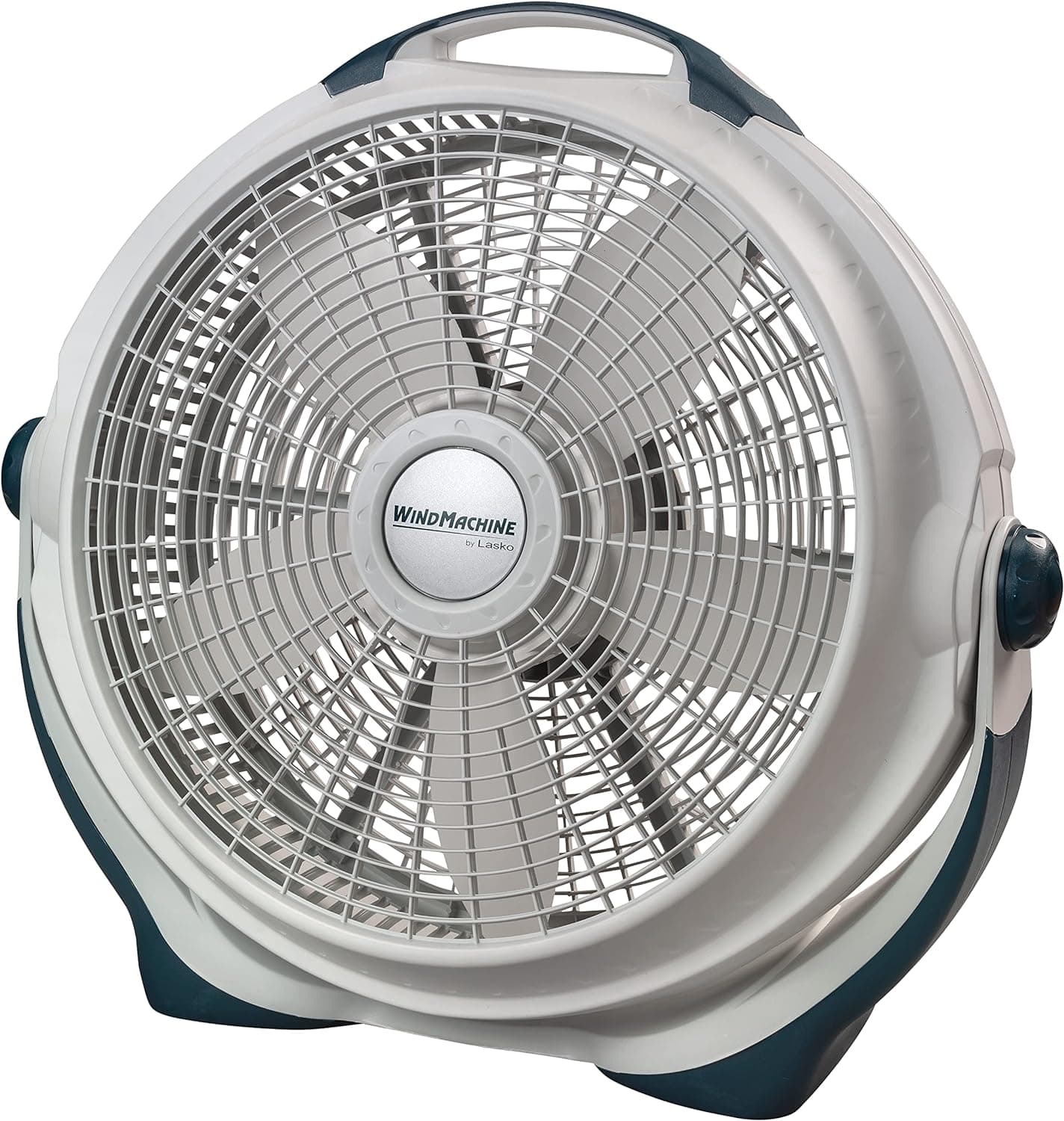
Lasko 3300 Wind Machine 20-Inch Floor Fan
$49.99RecommendedCheck price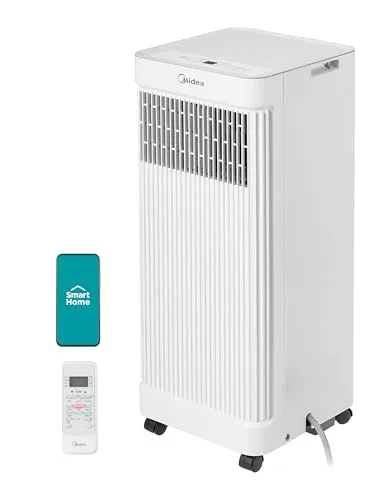
Midea 8,500 BTU (5,000 BTU SACC) Smart Portable Air Conditioner
$239.99RecommendedCheck price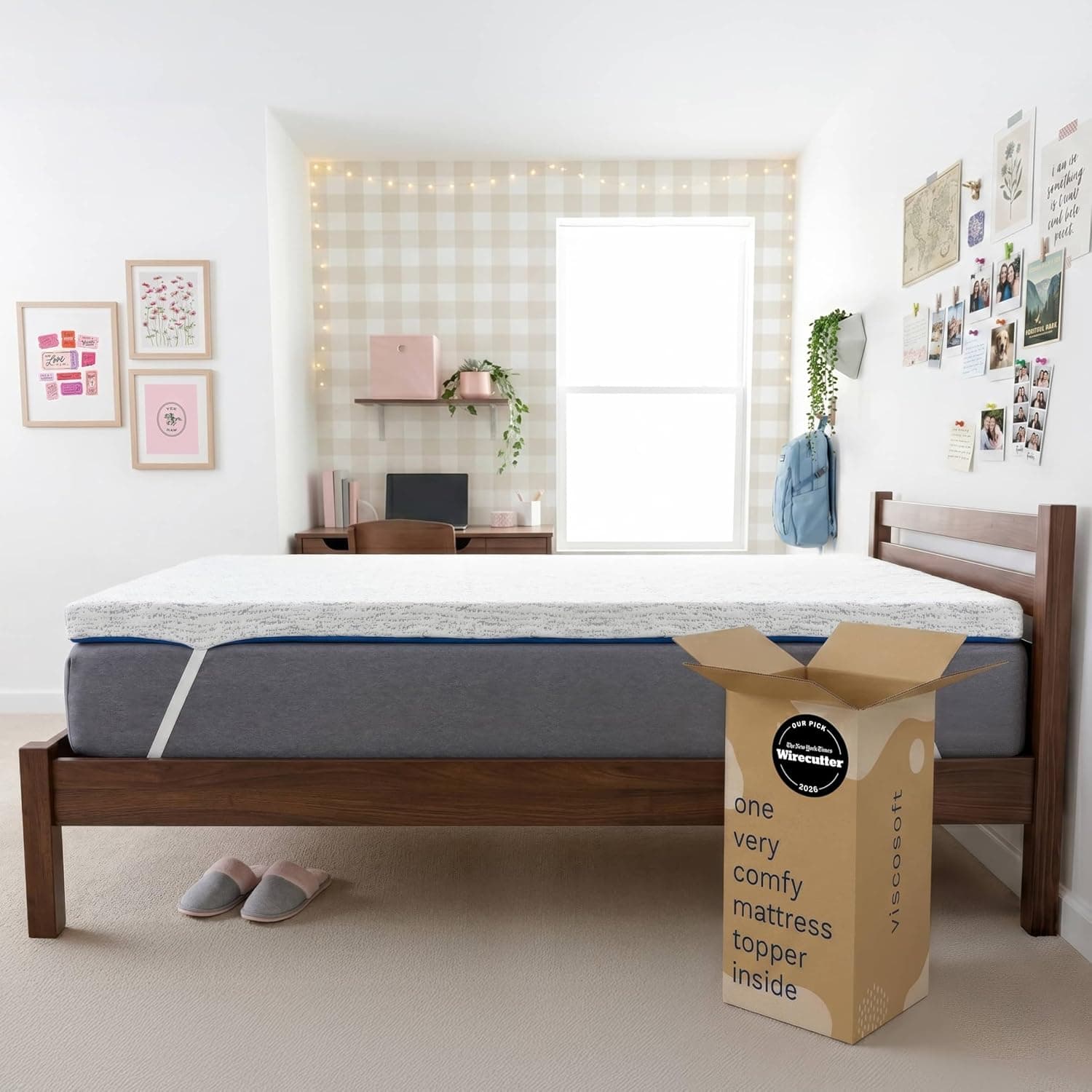
ViscoSoft 3-Inch Gel Memory Foam Mattress Topper (Twin XL)
$159.95RecommendedCheck price
Best Overall: Vornado 660 Large Air Circulator Fan
Vornado 660 Large Air Circulator Fan
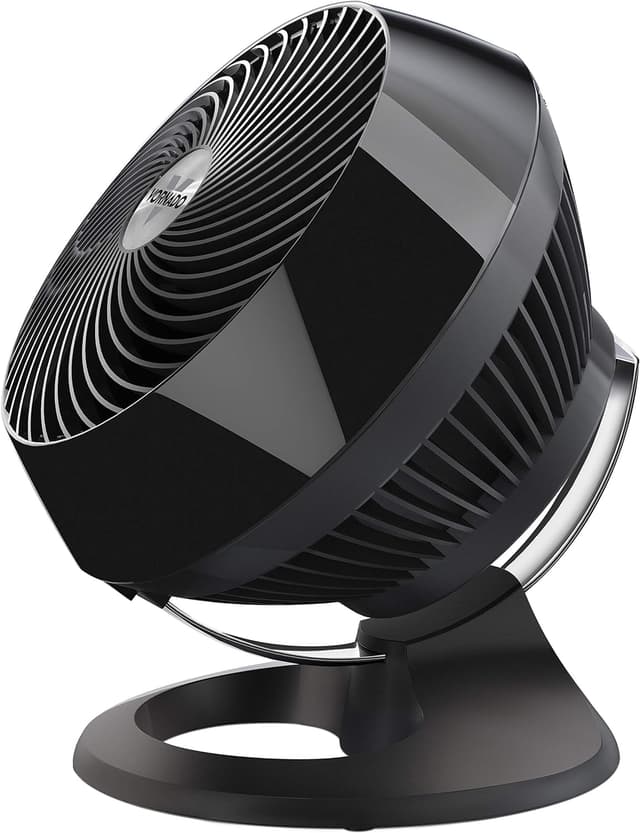
(Current price, subject to change)
- Vornado 660 large air circulator
- 4 speed settings
- 90-degree adjustable tilt
- Vortex circulation to about 100 ft
- 7.3 lb compact floor base
- R600a-free corded operation
Reviewed names the Vornado 660 its top overall fan after testing, citing its airflow at distance, and WIRED lands on the same model. That matters more than a raw volume number, because this 7.3 lb circulator throws a vortex up to 100 ft and you feel it several feet away. Reviewed measured 11.8 mph of airflow at 3 ft — right where most tower fans give out.
The DGH No-AC Cooling Power Score hits 9.2 here, the highest composite on this list, because the weighted formula leans on cooling impact and coverage reach and both WIRED and Reviewed put this circulator first on those factors. Compared to the Lasko, you trade some raw air volume for circulation that reaches up to 100 ft instead of fading within a few feet. The honest catch: a fan moves air but never lowers the temperature, so on the hottest, stillest afternoons you'll still want the curtains drawn.
What We Love
- Vortex circulation moves air across the whole room — up to about 100 ft — so it cools the space, not just the seat in front of it
- Reviewed measured 11.8 mph of airflow at 3 ft, where tower and box fans fall off sharply
- Four speeds and a 90-degree tilt aim airflow up at a lofted bunk or down at a desk
- At 7.3 lb with a compact base, it earns its floor space in a packed room
- Reviewed and WIRED both name it their top overall fan, so the consensus is settled
What Could Be Better
- A fan moves air but cannot lower the room temperature
- At $119.99 it costs more than twice a basic floor fan
- On high speed it is audible while falling asleep
The Verdict
If your school bans AC and you want one fan that actually reaches you, the Vornado 660 Large Air Circulator Fan is the core of a no-AC setup. The DGH No-AC Cooling Power Score lands at 9.2 because its circulation holds at distance where tower fans quit. Reviewed and WIRED both point here first.
Best Value: Lasko 3300 Wind Machine 20-Inch Floor Fan
Lasko 3300 Wind Machine 20-Inch Floor Fan
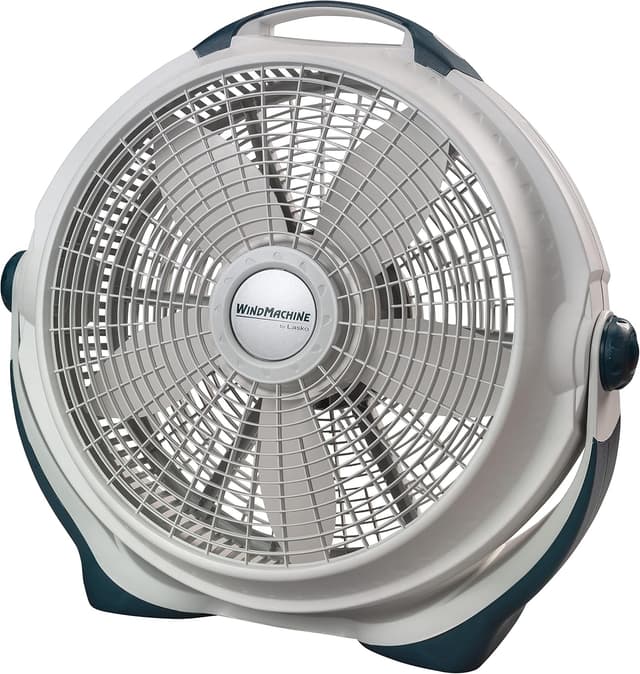
(Current price, subject to change)
- Lasko 3300 Wind Machine, 20-inch
- Over 1,700 CFM air volume
- 3 high-performance speeds
- Pivoting head for directional airflow
- Floor-standing design
- Best in a window at night
Reviewed found the Lasko 3300 moved the most air of any unit in its test field, over 1,700 CFM, and calls it the best-value pick at about half the Vornado's price. The catch the same testing turned up is reach: it clocked 12.6 mph point-blank but the airflow drops off sharply past a few ft. That's what makes the Lasko the classic window fan — point it outward overnight and it pulls cooler outside air in.
The DGH No-AC Cooling Power Score lands at 8.6 because the close-range cooling impact stays strong, but the coverage-reach factor pulls the composite under the circulator. Compared to the Vornado 660 Large Air Circulator Fan, you save roughly 60% but give up whole-room circulation, and Reviewed found that airflow edge fades within a few ft. For a single desk, a bunk, or one window slot, that's an easy trade.
What We Love
- Reviewed clocked it at over 1,700 CFM — the highest raw air volume of any fan in its test field
- 12.6 mph of airflow at point-blank range cools a desk or bunk fast
- Three speeds and a pivoting head aim airflow exactly where you need it
- At around $50 it costs roughly half the Vornado, the value play for a first-week budget
- Pointed out a window at night, it pulls cooler outside air in for cross-ventilation
What Could Be Better
- Reviewed notes its airflow falls off sharply over distance
- A 20-inch floor fan eats real space in a small room
- It moves a lot of air but does not lower the temperature
The Verdict
If your dorm budget is tight and you mostly need air moving at a desk or in a window, the Lasko 3300 Wind Machine 20-Inch Floor Fan is the value call. The DGH No-AC Cooling Power Score reaches 8.6 because it leads on raw air volume but gives up reach. Reviewed names it the best-value fan at half the Vornado's price.
Best AC Alternative (Dry Climates): Dreo 40" Evaporative Air Cooler
Dreo 40" Evaporative Air Cooler
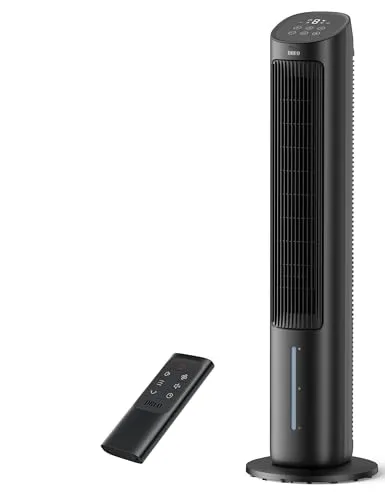
(No buyable Amazon offer as of our last check)
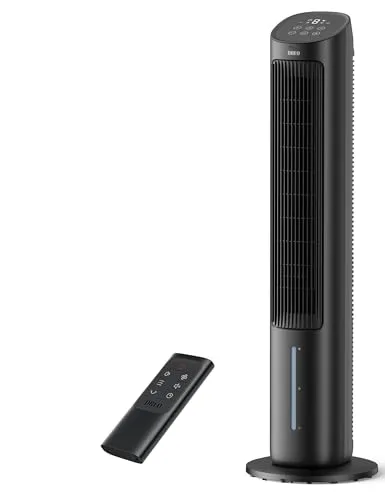
- Dreo 40-inch evaporative tower cooler
- 80-degree oscillation
- Removable water tank
- Two freezable ice packs
- Multiple fan and mode settings
- Cools 15-40F via evaporation (DOE figure)
Amazon has no buyable offer for this listing right now.
The U.S. Department of Energy is the source that carries this pick: an evaporative cooler can drop incoming air temperature by 15 to 40F while using about a quarter of the energy of central AC. It's the one device here that lowers the temperature instead of just moving air. The Dreo packages that into a 40-inch oscillating tower with freezable ice packs, sized for a dorm corner.
The one caveat that matters most, also from the DOE, is climate: evaporative coolers only suit areas below roughly 50% humidity and shouldn't run in humid ones. In Florida, the Gulf Coast, or a muggy Northeast summer, this just adds moisture and makes the room feel worse. The DGH No-AC Cooling Power Score reaches 8.4 — the cooling-impact factor is the highest here, a real 15 to 40 degree drop at about 25% of an AC's energy, but dorm legality and the humidity limit keep the composite under the all-conditions picks. Compared to the Vornado 660 Large Air Circulator Fan, you gain a temperature drop but lose all-climate reliability.
What We Love
- Evaporative cooling can lower incoming air 15 to 40F per the U.S. Department of Energy — a real drop a fan cannot match
- The DOE notes evaporative coolers use about one-quarter the energy of central AC
- A 40-inch tower with 80-degree oscillation, a removable tank, and freezable ice packs
- It is a legal stand-in where window and portable AC units are banned
- The slim tower tucks into a dorm corner instead of blocking a walkway
What Could Be Better
- Dry-climate only — the DOE warns against humid regions
- It adds moisture, which can feel worse in a muggy room
- The tank needs refilling and stock ran low at last check
The Verdict
If you are in a dry climate and want an actual temperature drop where AC is banned, the Dreo 40" Evaporative Air Cooler is the closest legal stand-in. The DGH No-AC Cooling Power Score sits at 8.4 — top on cooling impact, held back because it works only below roughly 50 percent humidity per the DOE.
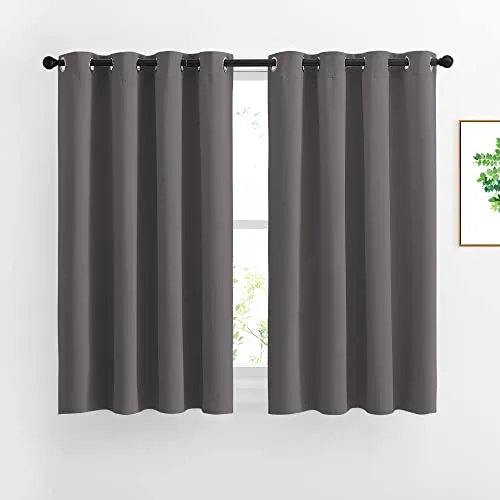
Best for Blocking Solar Heat: NICETOWN Blackout Curtains
NICETOWN Blackout Curtains
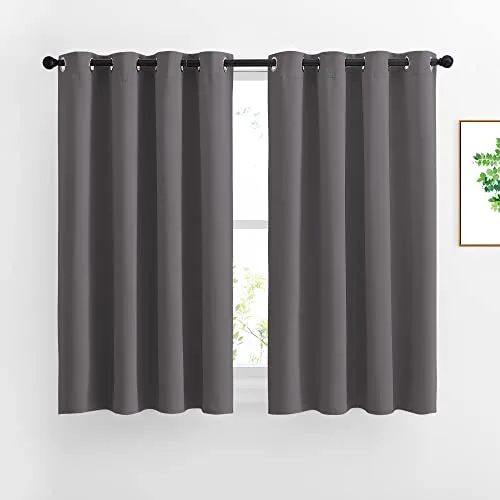
(Current price, subject to change)
- NICETOWN blackout curtains (set of 2 panels)
- Triple-weave 99%+ blackout fabric
- Thermal-insulated lining
- Grommet top for standard rods
- Sizes 42-70 inch width
- Machine washable, 20+ colors
CNN Underscored named NICETOWN its overall winner among five blackout curtain brands it evaluated, and the cooling logic comes from the U.S. Department of Energy: medium-colored draperies with reflective backings cut summer heat gain by up to 33%. A blackout panel that blocks up to 99% of sunlight blocks the carrier of that heat too, so a west-facing window stops acting like a daytime furnace. CNN Underscored found the triple-weave fabric measured strongest of the brands it tested.
The DGH No-AC Cooling Power Score reaches 8.8 because heat-source mitigation — the factor that credits stopping heat before it gets in — is the highest on this entire list, a 33% heat-gain reduction the DOE ties to reflective draperies. Curtains can't move air, so they're a layer to add, not a fix on their own. Compared to the Vornado 660 Large Air Circulator Fan, the curtains tackle a different part of the problem, and run together they deliver relief from both the incoming heat and the stale air. At under $40 a pair, with 99% light blocking, this produces the cheapest high-leverage upgrade in the guide.
What We Love
- Triple-weave blackout fabric blocks up to 99% of light and the solar heat it carries
- CNN Underscored named NICETOWN its overall winner among five blackout brands tested
- Medium-colored draperies cut summer heat gain by up to 33% per the DOE — the cheapest high-leverage upgrade here
- Grommet top pairs with no-drill Command hooks, so there is no security-deposit risk
- Two panels for under $40 and a 20-plus color range that fits almost any room
What Could Be Better
- Curtains block incoming heat but cannot move air
- Light bleeds at the panel gap unless you overlap them
- Polyester feels less premium than pricier alternatives
The Verdict
If your window faces west or south and turns into a furnace by afternoon, the NICETOWN Blackout Curtains stop the heat before it enters. The DGH No-AC Cooling Power Score reaches 8.8 because heat-source mitigation is the highest on this list. CNN Underscored named NICETOWN its tested winner.
How We Score: DGH No-AC Cooling Power Score
DGH No-AC Cooling Power Score
Score Formula
weighted composite of cooling_impact (35%) + coverage_reach (25%) + heat_source_mitigation (20%) + dorm_legality_footprint (20%), each factor normalized to a 0-10 scaleScore Factors
- Cooling ImpactHow much felt heat the product removes. An evaporative cooler can drop incoming air 15 to 40F per the DOE; an air circulator moves enough sustained airflow that skin reads several degrees cooler. A weak personal fan that only stirs nearby air scores lowest. The single heaviest factor.
- Coverage ReachWhether relief reaches the whole room or fades a few feet out. Reviewed measured the Vornado 660 still moving 11.8 mph of airflow at 3 ft where tower and box fans fall off, so whole-room circulation outscores a high-CFM fan whose output halves at distance.
- Heat-Source MitigationWhether the product stops heat at its source instead of treating the symptom. Thermal blackout curtains cut solar heat gain at the window, which the DOE credits at a 33% reduction, more leverage than chasing already-hot air.
- Dorm Legality and FootprintHow cleanly the pick clears the near-universal window and portable AC ban and fits a shared 100 sq ft room. A tower evaporative cooler is legal where AC is banned; a 500 sq ft garage swamp cooler is oversized and loud, so lighter and quieter picks score higher.
DGH No-AC Cooling Power Score — Ranked
Vornado 660 Large Air Circulator Fan
9.2/10Top on cooling impact and reach — circulation still moves 11.8 mph at 3 ft per Reviewed
NICETOWN Blackout Curtains
8.8/10Highest heat-source mitigation — cuts summer heat gain up to 33% at the window per the DOE
Lasko 3300 Wind Machine 20-Inch Floor Fan
8.6/10Leads on raw air volume at over 1,700 CFM, pulled down because airflow fades over distance
Dreo 40" Evaporative Air Cooler
8.4/10A real 15-40F drop per the DOE, limited to dry climates below roughly 50 percent humidity
DGH No-AC Cooling Power Score
Composite of cooling impact, coverage reach, heat-source mitigation, and dorm legality
DormGearHQ analysis of Reviewed, WIRED, U.S. Department of Energy, and CNN Underscored data, verified 2026-06-19
Dorm-Policy Fit: Why AC Is Banned
Most housing contracts ban personal window and portable AC units, and the reasoning is rarely arbitrary. Older dorms run wiring that can't carry an AC plus a microwave on one circuit, and a window AC drips condensate that rots sills and breeds mold. So the gear this guide ranks is exactly the gear that's allowed: fans, an evaporative cooler in dry climates, and thermal curtains all clear the typical ban with no trouble in a shared 12 ft by 14 ft room. An air circulator and a floor fan draw a fraction of an AC's wattage even running 24 hours a day, which is why they rarely overload a metered outlet. The one pick that needs a climate check rather than a policy check is the Dreo evaporative cooler, because the DOE is clear it only works in dry air. Before you buy, make sure your region stays dry through summer — in a muggy room it puts out air that feels worse, not cooler. A Vornado circulator reaching up to 100 ft and a 20-inch Lasko both clear the ban with room to spare.
| Product | Legal where AC is banned | Lowers air temperature | Works in humid climates | No-drill / no install |
|---|---|---|---|---|
| vornado-660-air-circulator | ✓ | – | ✓ | ✓ |
| lasko-3300-wind-machine | ✓ | – | ✓ | ✓ |
| dreo-40-evaporative-cooler | ✓ | ✓ | – | ✓ |
| nicetown-blackout-curtains | ✓ | – | ✓ | – |
Why One Product Won't Cool a Dorm
The common mistake students make is treating cooling as one purchase, when the expert sources keep pointing to a layered system instead. Curtains block the sun's heat all day, the cheapest move at under $40 and a summer heat-gain cut of up to 33% per the DOE before noon even hits. Compared to that, a circulator only redistributes the cooler air you have left, but Reviewed found the Vornado still holds 11.8 mph at 3 ft and throws its vortex up to 100 ft, so relief reaches the bed. The Lasko, versus a circulator, moves the highest air volume tested and, pointed outward overnight, pulls cooler outside air in for cross-ventilation. Only in a dry climate does an evaporative cooler add a real temperature drop, which the DOE puts at 15 to 40 degrees while using roughly a quarter of an AC's energy across 24 hours. Reviewed, WIRED, and the DOE all land in the same place: a layered system delivers more relief per dollar than any single appliance.
There are two situations where the sub-$120 layers on this page hit their ceiling, and both have a dedicated guide with its own verified picks. The first is a hall that actually permits a vented unit — a minority, but they exist, and apartment-style dorms are the usual case. There, real compressor cooling is worth the step up: our Best Portable Air Conditioners for Dorm Rooms in 2026 guide ranks the Midea MAP10S1CWT smart portable AC ($279, rated for a real 150 sq ft dorm footprint with the window kit a permitting hall will require) as its best overall compact AC, with a budget BLACK+DECKER alternative and — for the majority of halls that still ban vented units — the always-legal Honeywell HYF290B tower fan ($79) as its dorm-legal pick. Read your housing contract before spending AC money; that guide's DGH Dorm AC Fit Score is built around exactly that legality ceiling.
The second ceiling is air quality rather than temperature: a hot room you cannot ventilate is usually also a stuffy one, and wildfire-season and allergy-season air is the step-up problem a fan cannot fix. Our Best Premium Air Purifiers for Dorm Under $400 guide covers that lane with picks sized for a real 100-250 sq ft dorm rather than a living room — the Coway AP-1512HH Mighty (under $230, AHAM-verified coverage, about 24 dB on low) leads its DGH Dorm Air Score, with the Levoit Vital 200S ($130-160) as the value smart pick. A purifier also pairs naturally with the overnight cross-ventilation move above: filter the air you pulled in while you sleep. Both step-up guides use the same consensus method as this one, so the prices and scores line up when you build the full cart.
Who Should Buy What
Who Should Buy What
| If you are… | Recommended pick |
|---|---|
No-AC dorm, any climate Your school bans window and portable AC and you want one fan that actually reaches you across the room | Vornado 660 Large Air Circulator Fan |
Budget-first freshman Your move-in budget caps near $50 and you mostly need air moving at a desk or pulled in through a window at night | Lasko 3300 Wind Machine 20-Inch Floor Fan |
Dry-climate student You live below roughly 50 percent humidity and want a real temperature drop where AC is banned, not just airflow | Dreo 40" Evaporative Air Cooler (currently unavailable) |
West- or south-facing window Your window bakes the room by afternoon and you want to stop solar heat at the source for under $40 | NICETOWN Blackout Curtains |
Humid-climate student Your summers are muggy, so an evaporative cooler is out and you need airflow plus heat blocking instead | Vornado 660 Large Air Circulator Fan |
Frequently Asked Questions
Why are window and portable AC units banned in dorms?
Most housing contracts ban them because older buildings cannot carry the electrical load of an AC plus a microwave on one circuit, and window units drip condensate that damages sills and breeds mold. A small number of newer dorms allow a registered unit with a permit, so check your specific contract. Where AC is banned, fans, dry-climate evaporative coolers, and thermal curtains are the legal cooling path.
What is the difference between a fan and an evaporative cooler?
A fan moves air but does not lower the room's temperature — it cools you because moving air helps sweat evaporate. An evaporative cooler actually drops the incoming air temperature by passing it over water, which the U.S. Department of Energy quantifies at 15 to 40F. The catch is climate: the DOE warns evaporative coolers only work in dry air and should not be used in humid regions, where they make a room feel worse.
Is an air circulator better than a tower fan for a dorm?
Expert testers at Reviewed and WIRED both rank air circulators over tower fans because circulators keep airflow moving once you are a few feet away. Reviewed measured the Vornado 660 still pushing 11.8 mph of airflow at 3 ft, where tower and box fans fall off sharply. If you sit several feet from the fan, which describes most dorm layouts, a circulator delivers more felt relief than a tower fan.
Do blackout curtains actually keep a room cooler?
Yes, by blocking solar heat before it enters. The U.S. Department of Energy credits medium-colored draperies with reflective backings with cutting summer heat gain by up to 33%. A blackout panel that blocks up to 99% of sunlight is also blocking the carrier of that heat. CNN Underscored named NICETOWN its tested winner, and at under $40 a pair it is the cheapest high-leverage cooling upgrade for a west- or south-facing window.
Can I use an evaporative cooler in a humid climate?
No. The U.S. Department of Energy is explicit that evaporative coolers are only suitable for low-humidity areas. In Florida, the Gulf Coast, or a muggy Northeast summer they add moisture to already-saturated air and make the room feel warmer and stickier, not cooler. If your region sits above roughly 50 to 60 percent summer humidity, skip the Dreo and rely on the Vornado circulator and blackout curtains instead.
How do I cool a hot dorm room at night for sleeping?
Point an air circulator like the Vornado 660 across the bed rather than straight at your face, so it keeps sweat evaporating through the night without drying you out. After sunset, once the outside air drops below room temperature, open the window and let the circulator pull that cooler air across you. Draw a blackout curtain during the day so the room never heat-soaks in the first place — the U.S. Department of Energy credits reflective-backed draperies with cutting heat gain by up to 33%. On a shared dorm circuit a fan draws only a small fraction of what an AC pulls, so it runs safely all night without tripping the breaker.
Can I run a fan overnight without tripping the dorm breaker?
Yes — cooling gear is the easy part of a dorm circuit. A fan or an evaporative cooler draws only a small fraction of what a microwave or a banned AC unit pulls, which is exactly why housing contracts allow fans but not AC. The breaker trips from stacking high-draw appliances: a microwave, a kettle, and a hair dryer on one circuit is the culprit, not your Vornado circulator. Keep cooling on its own outlet, use a UL-listed surge strip instead of a daisy-chain of cheap extension cords, and you can run a circulator and a bladeless fan overnight without issue.
Is a window fan safe and allowed in a dorm?
A window fan is one of the most effective no-AC tools — run it as an exhaust facing out in the evening to push hot air out and draw cooler night air in through the door side of the room. Two caveats for a dorm: check your housing contract first, because many upper-floor dorms restrict anything mounted in a window on fall-safety grounds, and make sure the fan sits securely in the frame with the window locked down against it so it cannot be pushed out. If your dorm bans window-mounted units, a floor circulator positioned right beside the open window achieves most of the same cross-flow effect legally.
What is the fastest way to cool a hot dorm on August move-in day?
August move-in is the hottest day of the dorm year, and the fastest wins are passive ones you can set up in minutes. Hang the blackout curtains first — CNN Underscored's tested NICETOWN winner blocks up to 99% of sunlight, and per the U.S. Department of Energy reflective-backed draperies cut heat gain by up to 33%, so the room stops heat-soaking right away. Then set an air circulator for cross-flow, and if you are in a dry climate add an evaporative cooler for a 15 to 40F drop in the incoming air per the DOE. Skip the evaporative cooler entirely in a humid region. That three-piece kit is the move-in cooling cart when AC is not allowed.
Bottom Line
Get the Vornado 660 Large Air Circulator Fan if your school bans AC and you want one fan that reaches you across the whole room, not just point cooling.
Get the Lasko 3300 Wind Machine 20-Inch Floor Fan if your budget caps near $50 and you want a high-volume fan for a desk or a window at night.
Get the Dreo 40" Evaporative Air Cooler if you live in a dry climate and want a real temperature drop where window and portable AC units are banned.
Get the NICETOWN Blackout Curtains if your window faces west or south and you want to stop solar heat at the source for under $40.
For most students with a no-AC room, the layered call is the NICETOWN Blackout Curtains to block daytime heat plus the Vornado 660 Large Air Circulator Fan to move the cooler air you have left. Add the Dreo 40" Evaporative Air Cooler only in a dry climate. Skip every pick here if your room already runs cold, or if your school issued a permitted AC unit, which a small minority of newer dorms now do.
Sources & Methodology
Methodology: DGH No-AC Cooling Power Score — Formula: weighted composite of cooling_impact (35%) + coverage_reach (25%) + heat_source_mitigation (20%) + dorm_legality_footprint (20%), each factor normalized to a 0-10 scale. Factors: Cooling Impact · Coverage Reach · Heat-Source Mitigation · Dorm Legality and Footprint. Full factor definitions appear in the How We Score section above.
Expert review sources used in this analysis:
- DormGearHQ aggregates expert review data and authoritative figures to produce consensus-based buying guidance
- We do not do first-party product testing
- Fan rankings and airflow measurements come from Reviewed and WIRED, including the 11.8 mph at 3 ft figure and the 1,700 CFM measurement; the 15 to 40 degree cooling range, the 25% energy figure, and the 33% solar-heat-gain reduction come from the U.S
- Department of Energy's Energy Saver program; and the blackout-curtain pick comes from CNN Underscored, backed by manufacturer specs from Vornado, Lasko, Dreo, and NICETOWN and verified Amazon listings
- The Reviewed and WIRED measurements and the DOE figures, more than the manufacturer numbers, are what carry the cooling-impact and heat-source-mitigation factors
- Amazon prices, availability, and product images verified 2026-06-19
- The DGH No-AC Cooling Power Score is the proprietary metric introduced in this guide; its formula and factor weights are documented at the metrics methodology page linked from the score block above
- The step-up section added 2026-07-21 cites prices and scores from our portable-air-conditioner and premium-air-purifier guides (Midea MAP10S1CWT $279, Honeywell HYF290B $79, Coway AP-1512HH under $230, Levoit Vital 200S $130-160 — sourced from those guides' own verified product data, not re-priced here); see those guides for their verification dates.
Nicholas Miles is the founder of DormGearHQ and a longtime smart home enthusiast focused on helping everyday homeowners make better technology decisions. He researches, compares, and writes about products across security, climate, lighting, leak prevention, sensors, home energy, and automation, with an emphasis on real-world usefulness, ecosystem compatibility, reliability, privacy, and long-term value.
Affiliate disclosure: DormGearHQ earns affiliate commissions on qualifying Amazon purchases. Our scoring methodology is independent of affiliate relationships.