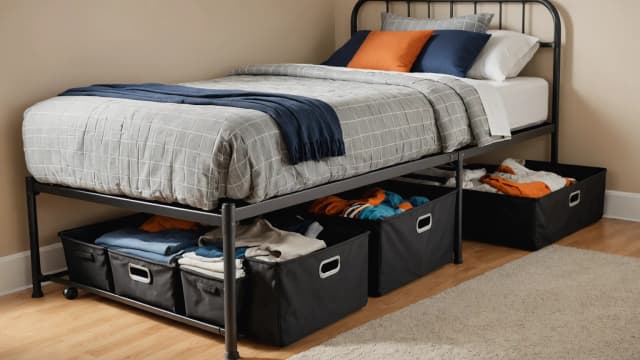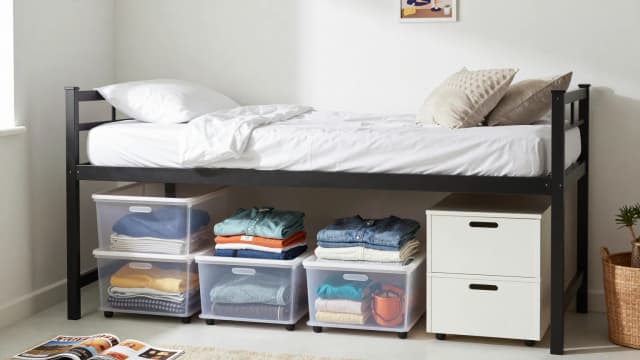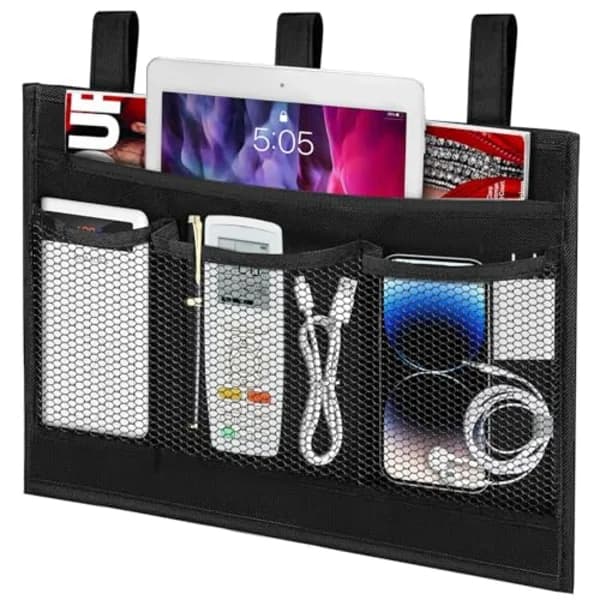


Dorm Room Layout Ideas for Small Spaces 2026
A small dorm is won on the floor plan, not the shopping list. Loft the bed to reclaim the biggest block of floor, lay a rug to mark the relax zone, and go vertical with hooks — arrange the room first, then fill the zones.
This article contains affiliate links. We may earn a commission at no extra cost to you. Learn more
Featured in this Guide
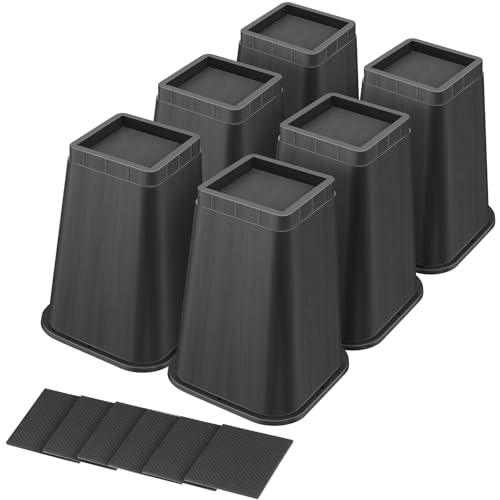
shouwuhho
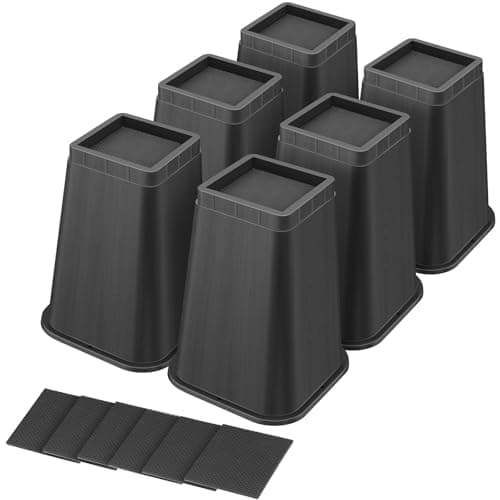
Bed Risers 8 Inch Heavy Duty, Furniture Risers 12"/8"/4" Adjustable, Supports Up to 6,000 Lbs, 6-Pack
- •Raise the bed on a set that stacks to 4, 8, or 12 inches and the largest floor block in the room opens into a planned under-bed storage zone, ,

Ophanie
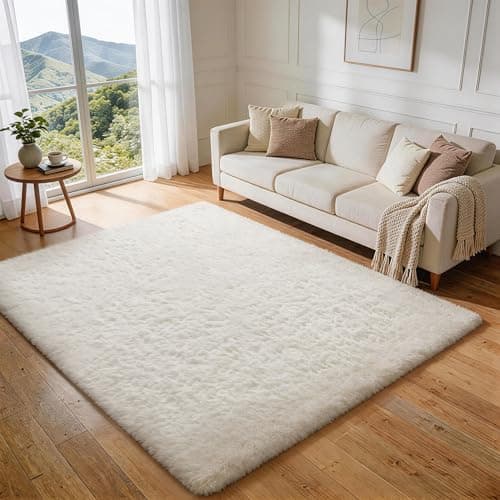
5x8 Non-Slip Fluffy Soft Ivory Shag Area Rug
- •A 5x8, 40 sq ft shag anchors the center of the room as the relax zone and draws the line between the sleep and study areas, ,

Budding
Joy Under Bed Storage with Wheels 2-Pack, 80L Height-Adjustable Underbed Containers with Clear Lids
- •Two wheeled, clear-lid bins slide into the clearance a raised bed creates, keeping loose boxes off the open floor, ,

Command
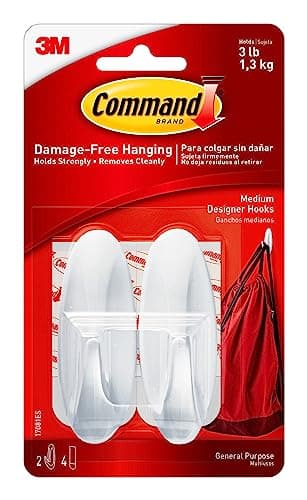
Medium Designer Hooks, 2 Hooks and 4 Strips (Holds 3 lb)
- •3lb-rated damage-free hooks move towels, bags, and cords onto the wall, reclaiming desk and floor with no holes, ,
The Short Answer
In a dorm commonly around 12x14 ft, arrange before purchasing: loft the bed to reclaim the largest floor block, position a 40 sq ft rug to establish the relax zone, roll bins into the recovered clearance, then organize vertically with adhesive hooks. Grown and Flown frames zoning first. The storage guide covers bins.
A small dorm — commonly around 12x14 ft shared by two students — is won or lost on the floor plan, not the shopping list. The arrangement question comes first: where the bed sits, how the sleep, study, and relax zones divide, and how wide the traffic path stays. Grown and Flown, Good Housekeeping, HGTV, and Reviewed all frame small-room layout around zoning before buying. Raising the bed reclaims the single biggest block of floor, a rug defines the relax zone, and wall hooks pull gear vertical. The DGH Dorm-Footprint Fit Score is a weighted composite, normalized across four factors — floor reclaimed, zone definition, footprint fit, and setup — that rates each move by how much walkable floor it yields. This guide plans the room first; the companion Small Dorm Storage Ideas That Actually Work in 2026 covers which bins to buy.
How Each Move Fits the Floor Plan
Small Space Living
Chart
 DormGearHQ.com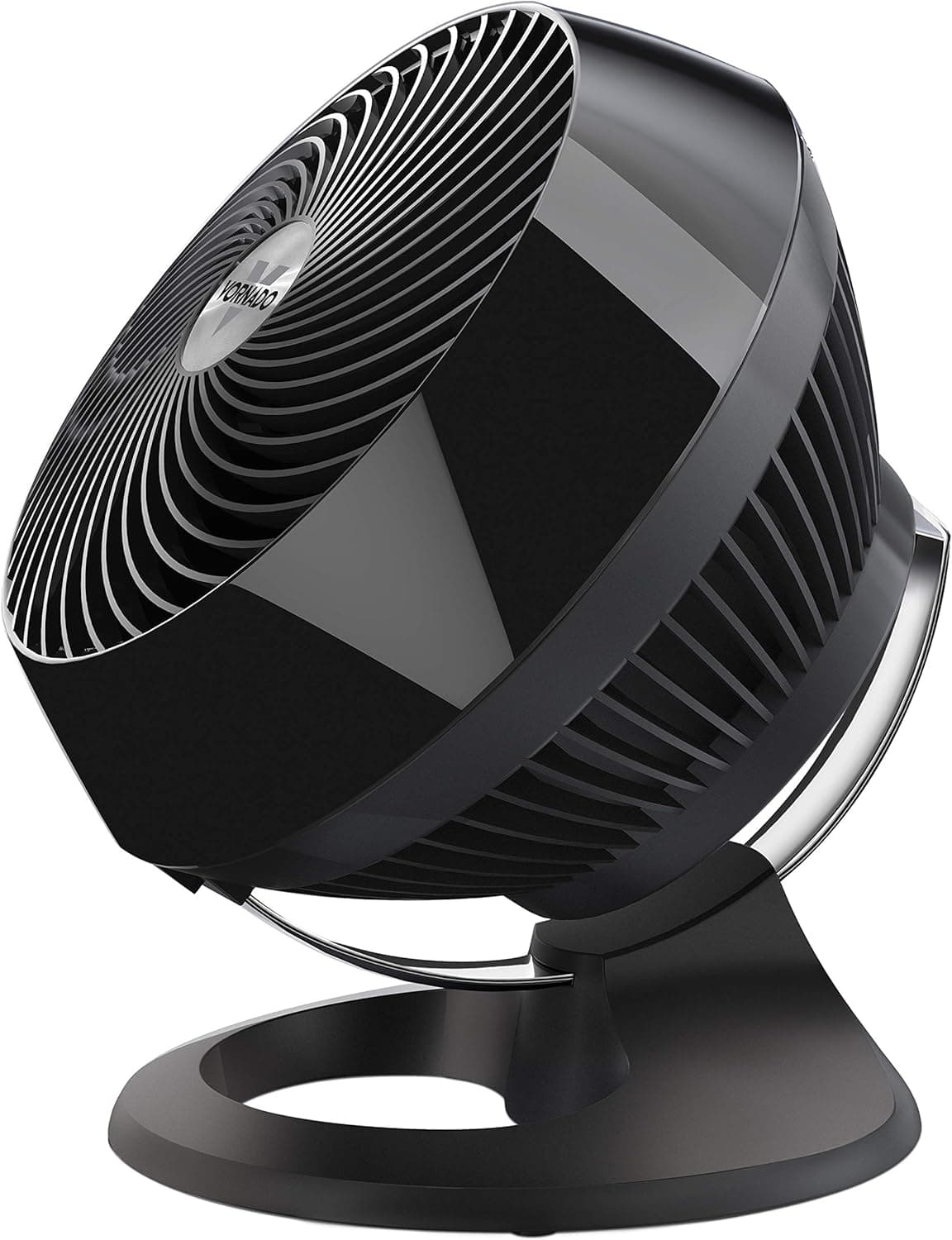
Vornado 660 Large Air Circulator Fan
$119.99Must BuyCheck price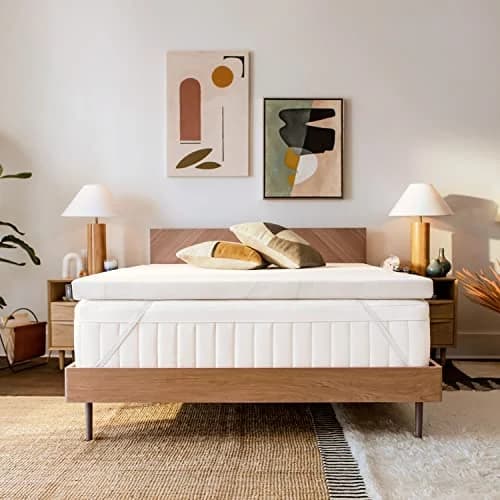
Tempur-Pedic TEMPUR-Topper Supreme Twin XL
$269Must BuyCheck price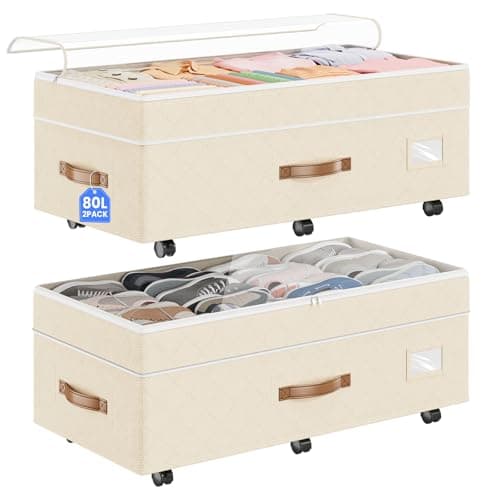
Budding Joy Under Bed Storage with Wheels 2-Pack, 80L Height-Adjustable Underbed Containers with Clear Lids
$41.99RecommendedCheck price
EUDELE Mesh Shower Caddy Portable for College Dorm, 8-Pocket Large Capacity
$8.54Must BuyCheck price
Dalykate Backpack Laundry Bag with Shoulder Straps and Mesh Pocket
$17.97Must BuyCheck price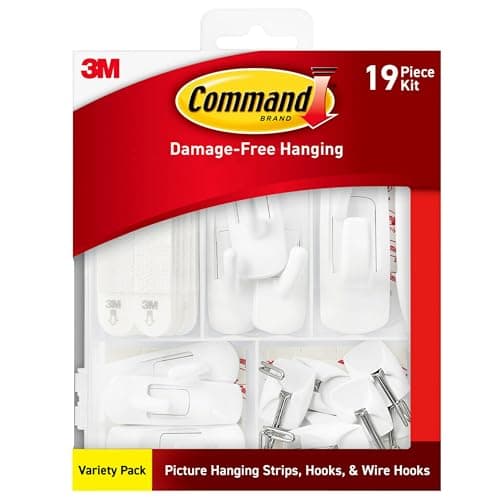
Command Variety Pack (10 Pairs Picture Hanging Strips, 6 Wire Hooks, 8 Utility Hooks)
$14.84Must BuyCheck price
Loft-and-Open Move: shouwuhho Bed Risers 8 Inch Heavy Duty, Furniture Risers 12"/8"/4" Adjustable, Supports Up to 6,000 Lbs, 6-Pack
shouwuhho Bed Risers 8 Inch Heavy Duty, Furniture Risers 12"/8"/4" Adjustable, Supports Up to 6,000 Lbs, 6-Pack
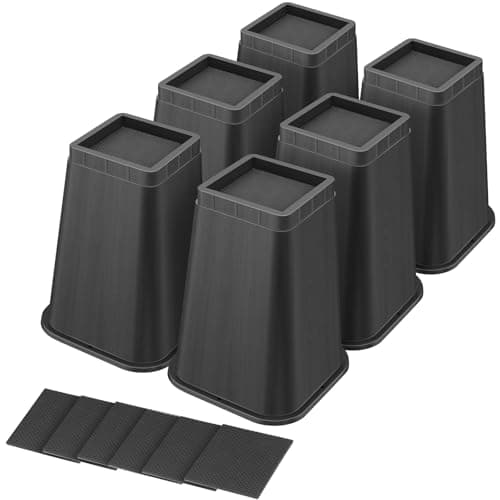
(Current price, subject to change)
- 6 bed risers
- Adjustable 4, 8, or 12-inch stacking heights
- Manufacturer rating up to 6,000 lbs per set
- Non-slip top recesses
Raising the bed is the move that reorganizes the whole room, because the floor a bed occupies is the largest single block in a commonly 12x14 ft plan. This heavy-duty set stacks to 4, 8, or 12 inches, so you tune the lift to the zone you want beneath it, and stacking it to 8 inches takes a typical under-bed gap to over 1.25 ft of clearance — dead floor turned into a storage tier. Compared to leaving the frame low, lofting the bed relocates every bin off the walkable floor and widens the path between the sleep and study zones. Reviewed and CNN Underscored both frame under-bed clearance as the first arrangement win in a tight room. The set is manufacturer-rated up to 6,000 lbs across all legs — a lab figure, not a per-leg promise — so the honest note is technique: align each riser on flat flooring. Some schools ban student risers or cap bed height, so check your housing office first. On the weighted DGH Dorm-Footprint Fit Score this earns the top mark, because no other move yields as much floor. For the bins that fill it, see Best Under-Bed Storage and Bed Risers for Dorms 2026.
What We Love
- Lofting the bed reclaims the single largest block of open floor in a tight room
- Stacks to 4, 8, or 12 inches, so you tune the lift to the storage zone you want beneath the frame
- Turns a dead under-bed strip into a planned storage tier that pulls bins off the walkable floor
- A 6-pack covers a bed plus two spare legs for a desk, keeping the whole plan on one set
What Could Be Better
- The 6,000 lbs figure is a per-set lab rating across all legs, not a per-leg guarantee
- Some schools ban student risers or cap bed height — the arrangement has to be legal first
The Verdict
If your room feels wall-to-wall furniture, the shouwuhho Bed Risers 8 Inch Heavy Duty, Furniture Risers 12"/8"/4" Adjustable, Supports Up to 6,000 Lbs, 6-Pack is the first arrangement move — lofting the bed reclaims the biggest block of floor and opens a storage zone underneath. It tops the DGH Dorm-Footprint Fit Score at 9.0. Check your housing rules first, since some halls cap bed height.
Define the Relax Zone: Ophanie 5x8 Non-Slip Fluffy Soft Ivory Shag Area Rug
Ophanie 5x8 Non-Slip Fluffy Soft Ivory Shag Area Rug
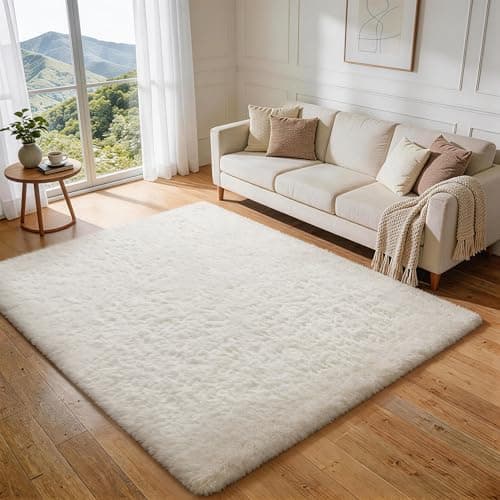
(Current price, subject to change)
- 5 ft x 8 ft area rug (40 sq ft)
- Plush ivory shag pile
- Non-slip fabric backing
- Large-format center-of-room size
A rug is the arrangement tool that draws zone lines on the floor without a single wall. At 5x8, this plush shag covers 40 sq ft — enough to anchor the center of the room as the relax zone and separate it visually from the sleep and study areas that ring it. Grown and Flown ranks the Ophanie line a top-8 dorm pick, and both Good Housekeeping and HGTV frame a large area rug as the fastest way to define a zone in an open plan. Compared to a small bedside throw, a rug this size stops reading as an accent and delivers the visual anchor an open dorm otherwise lacks. Its non-slip backing holds once furniture legs pin the corners, so the zone it defines stays put through daily traffic. The honest trade is upkeep: 40 sq ft of shag will not fit a compact dorm washer, so treat it as a shake-and-spot-clean piece. On the weighted DGH Dorm-Footprint Fit Score this composite rates 8.6, high on zone definition. For every rug size, see Best Dorm Area Rugs (Washable, 2026).
What We Love
- 40 sq ft anchors the center of the room as a defined relax zone, not just a walking strip
- Visually separates the relax area from the sleep and study zones that ring it in an open plan
- Non-slip backing holds once furniture legs pin the corners, so the zone stays put
- Ivory pile brightens a dim cinderblock room and reads as an intentional floor plan
What Could Be Better
- A 40 sq ft shag will not fit a compact dorm washer — realistically a shake-and-spot-clean piece
- It defines a zone but reclaims little floor, so it is a complement to lofting, not a substitute
The Verdict
If your room reads as one undivided box, the Ophanie 5x8 Non-Slip Fluffy Soft Ivory Shag Area Rug draws the zone line — 40 sq ft of shag that anchors the center as a relax area. It scores 8.6 on the DGH Dorm-Footprint Fit Score. A shag this large is shake-and-spot-clean, not washer-friendly.
Fill the Gained Space: Budding Joy Under Bed Storage with Wheels 2-Pack, 80L Height-Adjustable Underbed Containers with Clear Lids
Budding Joy Under Bed Storage with Wheels 2-Pack, 80L Height-Adjustable Underbed Containers with Clear Lids
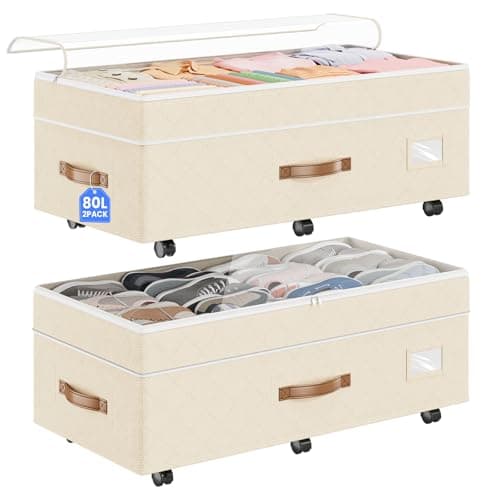
(Current price, subject to change)
- 2 under-bed storage bins
- 80L nominal capacity each
- Rolling wheels on each bin
- Clear snap lids
- Height-adjustable body
Raising the bed defines a new zone; wheeled bins are what make that zone usable instead of a crawl space. This 2-pack rolls out on wheels with clear lids, so the storage tier under a lofted frame — at least 1 ft of clearance — stays reachable while the open floor stays clear of loose boxes. Compared to stacking totes in a corner, sliding two low bins into the under-bed zone returns that corner to the walking path and delivers a cleaner plan. CNN Underscored and Reviewed both point to the wheeled, see-inside format as the one that keeps under-bed storage in active use rather than forgotten. The height-adjustable body drops low for a plain frame or rises to fill the 1.25 ft of clearance a riser stack creates, so the bins fit whatever your arrangement sets. Plan for roughly 70% of the nominal capacity, an honest ceiling that keeps the lid closing flat. On the factor-weighted DGH Dorm-Footprint Fit Score this rates 8.5, strong on floor reclaimed because it consolidates scattered storage into one planned zone. For the full bin comparison, see Best Under-Bed Storage and Bed Risers for Dorms 2026.
What We Love
- Slides into the clearance a raised bed creates, turning the gained space into active storage
- Wheels and clear lids keep the under-bed zone reachable without crawling underneath
- Consolidates loose boxes off the open floor and into one planned zone under the frame
- Height-adjustable body fits whatever clearance your riser height sets for the plan
What Could Be Better
- The 80L rating is nominal — plan for roughly 70% real fill before the lid stops closing flat
- Needs the clearance a riser set creates first; on a low frame the bins have nowhere to go
The Verdict
If you lofted the bed to open floor, the Budding Joy Under Bed Storage with Wheels 2-Pack, 80L Height-Adjustable Underbed Containers with Clear Lids fills the zone you gained — two wheeled, clear-lid bins that keep the rest of the room clear. It earns 8.5 on the DGH Dorm-Footprint Fit Score. Plan for about 70% real fill so the lids still close.
Arrange Vertically: Command Medium Designer Hooks, 2 Hooks and 4 Strips (Holds 3 lb)
Command Medium Designer Hooks, 2 Hooks and 4 Strips (Holds 3 lb)
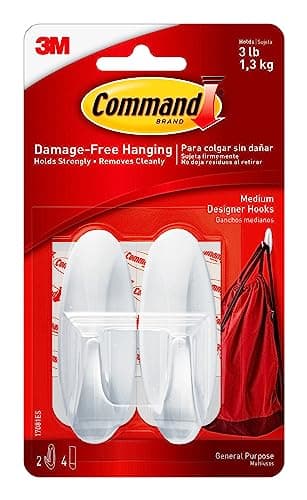
(Current price, subject to change)
- 2 Command Medium Designer Hooks
- 4 stretch-release adhesive strips
- Rated to hold 3lb per hook
- Neutral finish for any wall
When the floor is full, the walls are the only open space left, and hooks are how an arrangement goes vertical. Each medium designer hook is 3M-rated to 3lb — a towel, tote, robe, or light backpack lifted off the desk and floor and onto a painted wall. Compared to a floor-standing rack that eats a footprint, a row of hooks reclaims surface without consuming any floor, which enables the walking lane to stay clear. Good Housekeeping and Grown and Flown both name Command's stretch-release line the damage-free standard for renters, which matters because arranging vertically only works if it leaves no holes at move-out. The stretch-release adhesive peels clean when you pull the tab straight down, so a wrong first placement in your layout costs nothing to redo, and it reaches full strength about 1 hour after pressing, so give it that long before loading. This 2-pack is a deliberate starter — hang two 3lb-rated hooks, confirm the wall holds, then scale the vertical plan with larger packs. On the factor-weighted DGH Dorm-Footprint Fit Score these rate 8.0, strong on floor reclaimed per dollar. For the full hanging system, see Best Command Hooks & Damage-Free Wall Hanging for Dorms (2026).
What We Love
- Moves towels, bags, and cords onto the wall, reclaiming desk and floor without a floor-standing rack
- 3M-rated to 3lb each — right for the everyday gear that otherwise piles on a small desk
- Damage-free stretch-release means a wrong placement in your layout costs nothing to redo
- Neutral finish blends into a painted wall so the vertical plan reads as clean, not cluttered
What Could Be Better
- Only 2 hooks per pack — a starter to test your wall before scaling the vertical plan
- Command adhesive is rated for smooth painted surfaces only, not rough cinder block
The Verdict
If your floor and desk are full, the Command Medium Designer Hooks, 2 Hooks and 4 Strips (Holds 3 lb) open the vertical plane — 3lb-rated hooks that move gear onto the wall with no holes at move-out. They score 8.0 on the DGH Dorm-Footprint Fit Score. Buy one pack to test your wall, then scale.
How We Score: DGH Dorm-Footprint Fit Score
DGH Dorm-Footprint Fit Score
Score Formula
weighted composite (0-10): floor_reclaimed (40%) + zone_definition (25%) + footprint_fit (20%) + ease_of_setup (15%), each factor normalized to a 0-10 scale for how much walkable floor an arrangement move returns in a small shared dormScore Factors
- Floor Reclaimed (40%)The heaviest factor, normalized 0-10: how much walkable floor the move gives back. Lofting the bed returns the largest single block, so risers top this factor; hooks reclaim wall and desk surface rather than floor and score lower. HGTV and Grown and Flown both treat freed floor as the first goal of a small-space layout.
- Zone Definition (25%)How clearly the piece draws or anchors a functional zone — sleep, study, relax, or entry. A large rug defines the relax zone outright and scores highest; risers and bins enable the under-bed storage zone; hooks serve the entry and dressing zone. Weighted second because a room without zones reads as one cluttered box.
- Footprint Fit (20%)How well the item suits a commonly 12x14 ft shared room without adding bulk of its own. A wheeled bin that hides under a raised bed adds no visible footprint; a floor-standing rack would. This factor rewards moves that organize the plan rather than crowd it.
- Ease of Setup (15%)Move-in-day setup with no tools and no wall damage. Risers stack in seconds, a rug unrolls, bins need no assembly, and damage-free hooks press on and peel off clean — every move here is reversible at move-out.
DGH Dorm-Footprint Fit Score — Ranked
shouwuhho Bed Risers 8 Inch Heavy Duty, Furniture Risers 12"/8"/4" Adjustable, Supports Up to 6,000 Lbs, 6-Pack
9.0/10Lofting the bed reclaims the largest floor block — the biggest single arrangement win in a tight room
Ophanie 5x8 Non-Slip Fluffy Soft Ivory Shag Area Rug
8.6/10A 5x8, 40 sq ft rug defines the relax zone on an open floor, though large shag is shake-and-spot-clean
Budding Joy Under Bed Storage with Wheels 2-Pack, 80L Height-Adjustable Underbed Containers with Clear Lids
8.5/10Wheeled bins keep the under-bed zone usable and the open floor clear of loose boxes
Command Medium Designer Hooks, 2 Hooks and 4 Strips (Holds 3 lb)
8.0/10Damage-free hooks arrange gear vertically, reclaiming desk and wall without eating any floor
DGH Dorm-Footprint Fit Score
How much walkable floor each arrangement move returns in a commonly 12x14 ft shared dorm room
DormGearHQ analysis of HGTV, Grown and Flown, and Good Housekeeping small-space layout guidance, July 2026
Arranging Zones in a Small Dorm
The winning small-dorm layout starts by naming zones, then arranging furniture to serve each one. In a room commonly around 12x14 ft shared by two, the four zones are sleep, study, relax, and entry, and the whole plan turns on the bed. Loft or raise it first on risers that add over 1.25 ft of clearance: a raised bed frees the largest floor block and opens roughly 2x the usable volume beneath, which is why HGTV and Grown and Flown both treat bed placement as the anchor decision for the 4-year stay. Slide the desk into the daylight from the window for the study zone, keep a 2 ft-wide traffic gap between the two beds so nobody climbs over furniture, and lay the rug in the middle to mark the shared relax zone. A net-new idea worth a mention is a fridge-bridge shelf — a shelf that spans two mini-fridges to lift a microwave off the floor — but plan the electrical load carefully. The products that fill each zone live in the companion Small Dorm Storage Ideas That Actually Work in 2026.
Two honest constraints shape every dorm floor plan. First, some schools prohibit student-supplied lofting kits or set a bed-height cap, so confirm with your housing office before you raise a frame toward the 1.25 ft a riser stack allows — the arrangement has to be legal before it is clever. Second, a rug this large is a shake-and-spot-clean piece rather than a weekly wash, so plan the relax zone around upkeep you will actually keep up with. A layout only works if the traffic path stays genuinely clear, so leave the 2 ft walking lane open even when keeping it open means less storage on display. Once the arrangement is set, the desk gets its own treatment in Dorm Desk Setup for Small Spaces 2026, and the move-in order that fills each zone is the The Complete Dorm Room Checklist for 2026. Compared to buying first and arranging later, planning the zones up front yields a room that fits its own footprint.
| Product | Reclaims walkable floor | Defines a functional zone | Uses vertical or under-bed space | Damage-free / no-drill | Fits a 12x14 ft shared room |
|---|---|---|---|---|---|
| shouwuhho-bed-risers-8in-heavy | ✓ | – | ✓ | ✓ | ✓ |
| ophanie-5x8-fluffy-rug | – | ✓ | – | ✓ | ✓ |
| budding-joy-underbed-wheels-80l | ✓ | – | ✓ | ✓ | ✓ |
| command-medium-designer-hooks | – | – | ✓ | ✓ | ✓ |
When NOT to Buy
Not every layout problem needs a purchase. Measure the room and sketch the zones before ordering anything, because the cheapest floor-plan fix is often just moving the university furniture you already have — pulling the desk to the window, angling the bed along the longer wall, and clearing a 2 ft traffic lane. Reviewed and Grown and Flown both warn against buying for a room you have not measured, and a raised bed you cannot legally loft is wasted money. Buy the riser set, the bins, the rug, and the 3lb hooks only once the sketch shows where each one earns its footprint. In this guide the order is deliberate: arrange first, then fill the zones the plan creates — never the reverse.
Who Should Buy What
Who Should Buy What
| If you are… | Recommended pick |
|---|---|
Bed dominates the room Furniture is wall-to-wall and you want the single biggest floor win — raise the bed to open the largest block of floor and a storage zone beneath | shouwuhho Bed Risers 8 Inch Heavy Duty, Furniture Risers 12"/8"/4" Adjustable, Supports Up to 6,000 Lbs, 6-Pack |
Room reads as one box You want to divide an open plan into zones — a large rug that anchors the relax area and separates it from the sleep and study areas | Ophanie 5x8 Non-Slip Fluffy Soft Ivory Shag Area Rug |
Dead space under the bed You raised the bed and want the under-bed zone usable — wheeled bins that roll out and keep the open floor clear of boxes | Budding Joy Under Bed Storage with Wheels 2-Pack, 80L Height-Adjustable Underbed Containers with Clear Lids |
Floor and desk are full You are out of floor and surface and need to arrange vertically — damage-free hooks that move gear onto the walls | Command Medium Designer Hooks, 2 Hooks and 4 Strips (Holds 3 lb) |
No-drill renter Your housing bans holes and you want a damage-free way to arrange gear vertically off the floor and desk | Command Medium Designer Hooks, 2 Hooks and 4 Strips (Holds 3 lb) |
Frequently Asked Questions
How do you arrange a small dorm room?
Start with zones, not products. Name the four functions a dorm has to serve — sleep, study, relax, and entry — then arrange the furniture so each one gets its space. The bed is the anchor decision because it occupies the largest footprint, so decide whether to loft or raise it first. Pull the desk into the window's daylight for the study zone, lay a rug in the center for the relax zone, and keep the traffic path between the two beds clear. Sketch the plan and measure before you buy anything, because the best fix is often just rearranging the furniture you already have.
Should you loft or raise a dorm bed to save space?
Both open floor, but they differ in height and effort. Raising the bed on stacking risers adds a few inches to a foot of clearance and is the simple DIY route — a set that stacks to 8 inches turns a dead under-bed gap into a storage tier. A full loft raises the mattress to standing height for a desk or seating underneath, but it usually requires the school's own kit and a published weight limit. Many housing contracts ban student-supplied lofting kits or cap bed height, so confirm with your housing office before you commit to either. When in doubt, raising on rated risers is the low-risk move.
Where should the bed go in a small dorm?
Against the longer wall, and lofted or raised if your housing allows it. Placing the bed along the longer wall leaves the widest open rectangle of floor for the rest of the plan, and raising it converts the space underneath into storage so bins do not eat the room. Keep the head of the bed away from the door swing and the desk near the window for daylight. If two students share, mirror the beds along opposite walls with a clear traffic lane between them rather than stacking everything on one side.
How do you divide a shared dorm into zones?
Use rugs, furniture placement, and light to draw invisible lines. A large area rug in the center marks the shared relax zone, each desk defines a personal study zone, and the beds anchor the sleep zones along the walls. A freestanding divider or a bookshelf turned perpendicular can add privacy without drilling, and string lights or a lamp give each zone its own pool of light. The goal is that every square foot reads as belonging to a function, which is what keeps a shared room from feeling like one cluttered box.
How much space do you need to walk between two dorm beds?
Aim for a clear traffic lane of roughly 2 feet or more so two people can pass without turning sideways. A layout only works if the walking path stays open, so plan the lane first and fit storage around it rather than the other way around. If the room is too tight for a 2-foot gap with both beds down, that is the strongest argument for lofting or raising at least one bed to reclaim the floor. Keep the lane free of bins, cords, and bags, which is exactly what under-bed storage and wall hooks are for.
Can you rearrange the university's dorm furniture?
Usually yes for movable pieces, but check your housing agreement first. Most schools let you reposition free-standing beds, desks, and dressers, and rearranging what you already have is the cheapest way to improve a floor plan. The limits are built-in or fixed furniture, lofting and riser rules, and any requirement to return the room to its original setup at move-out. Some contracts also prohibit blocking windows, vents, or the door. Read the rules, take a photo of the original layout, and keep the move reversible so you get your deposit back.
Bottom Line
Get the shouwuhho Bed Risers 8 Inch Heavy Duty, Furniture Risers 12"/8"/4" Adjustable, Supports Up to 6,000 Lbs, 6-Pack if Start here — lofting the bed reclaims the biggest floor block and opens a storage zone, the top DGH Dorm-Footprint Fit move at 9.0. Check housing rules first.
Get the Ophanie 5x8 Non-Slip Fluffy Soft Ivory Shag Area Rug if Add it to define the relax zone — a 5x8, 40 sq ft shag that anchors the center of an open room and scores 8.6.
Get the Budding Joy Under Bed Storage with Wheels 2-Pack, 80L Height-Adjustable Underbed Containers with Clear Lids if Fill the space the raised bed created — two wheeled, clear-lid bins that keep the floor clear, scoring 8.5.
Get the Command Medium Designer Hooks, 2 Hooks and 4 Strips (Holds 3 lb) if Go vertical once the floor is full — 3lb damage-free hooks that move gear onto the wall with no holes, scoring 8.0.
The order is the whole point: arrange first, then buy. Loft with the shouwuhho Bed Risers 8 Inch Heavy Duty, Furniture Risers 12"/8"/4" Adjustable, Supports Up to 6,000 Lbs, 6-Pack, define the relax zone with the Ophanie 5x8 Non-Slip Fluffy Soft Ivory Shag Area Rug, fill the gained space with the Budding Joy Under Bed Storage with Wheels 2-Pack, 80L Height-Adjustable Underbed Containers with Clear Lids, and go vertical with the Command Medium Designer Hooks, 2 Hooks and 4 Strips (Holds 3 lb) — but only after the sketch shows where each earns its footprint. For which bins and organizers to buy, the companion is Small Dorm Storage Ideas That Actually Work in 2026.
Sources & Methodology
Methodology: DGH Dorm-Footprint Fit Score — Formula: weighted composite (0-10): floor_reclaimed (40%) + zone_definition (25%) + footprint_fit (20%) + ease_of_setup (15%), each factor normalized to a 0-10 scale for how much walkable floor an arrangement move returns in a small shared dorm. Factors: Floor Reclaimed (40%) · Zone Definition (25%) · Footprint Fit (20%) · Ease of Setup (15%). Full factor definitions appear in the How We Score section above.
Expert review sources used in this analysis:
- DormGearHQ aggregates layout guidance and product specs to produce arrangement advice, and does not perform first-party testing
- The zoning and bed-placement principles draw on small-space layout coverage from HGTV, Grown and Flown, and Good Housekeeping, applied at the category level rather than as a test of any one room
- Per-product figures — riser heights, the 6,000 lbs rating, over 1.25 ft of under-bed clearance and the roughly 2x usable volume it unlocks, the 5x8 40 sq ft rug, and the 3lb hook rating — come from each item's live Amazon listing and its funnel roundup, verified July 2026
- Reviewed and CNN Underscored anchor the wheeled under-bed clearance format, which needs at least 1 ft to roll, while Grown and Flown and Good Housekeeping anchor the rug and damage-free hook guidance
- Room dimensions of roughly 12x14 ft are a widely reported typical, hedged as commonly around rather than a measured universal, and any school's lofting or riser policy must be confirmed with housing before the 4-year stay begins
- The DGH Dorm-Footprint Fit Score is a weighted, normalized composite across the floor-reclaimed, zone-definition, footprint-fit, and setup factors documented at the methodology page linked above.
Nicholas Miles is the founder of DormGearHQ and a longtime smart home enthusiast focused on helping everyday homeowners make better technology decisions. He researches, compares, and writes about products across security, climate, lighting, leak prevention, sensors, home energy, and automation, with an emphasis on real-world usefulness, ecosystem compatibility, reliability, privacy, and long-term value.
Affiliate disclosure: DormGearHQ earns affiliate commissions on qualifying Amazon purchases. Our scoring methodology is independent of affiliate relationships.